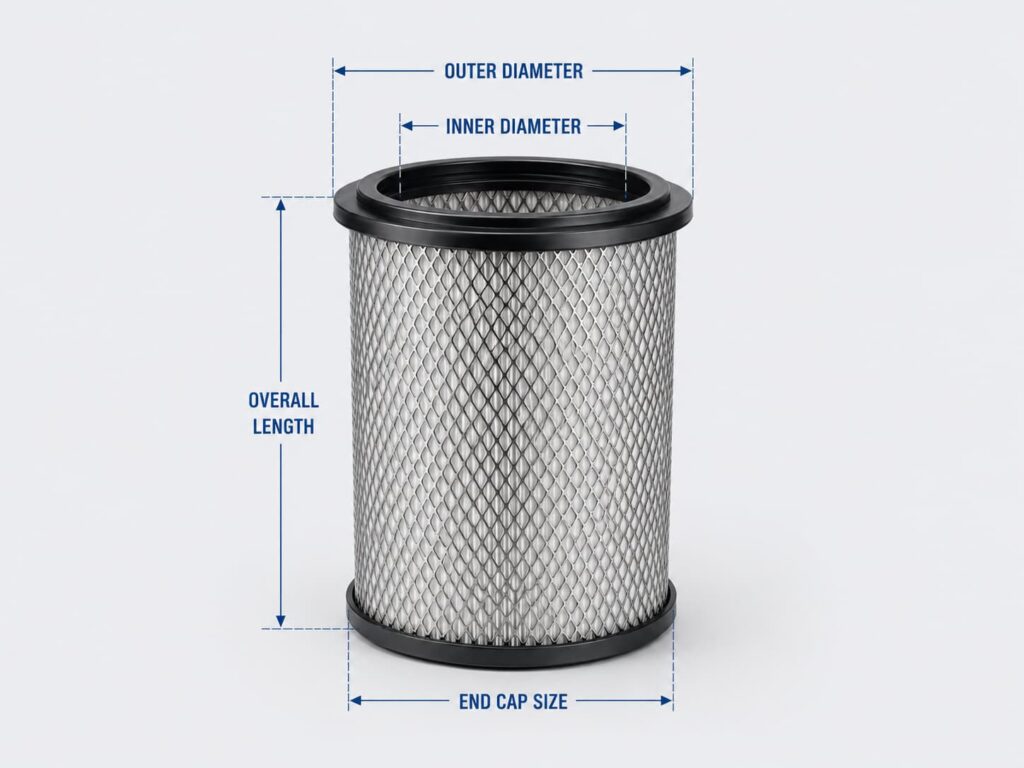
Some oil filters have a bypass valve inside, while others do not. This does not always mean one design is better than the other. In many engine systems, the bypass valve may be built into the filter base or oil circuit instead of the oil filter itself.
The bypass valve is also called a pressure relief valve. Its main function is to help maintain oil flow when the filter media becomes blocked, the oil viscosity is high, or the flow resistance increases. When oil cannot pass through the filter media normally, the bypass valve can open under pressure, allowing oil to continue flowing.
For replacement oil filter buyers, this design difference is important. A filter without an internal bypass valve may still be correct if the bypass valve is located in the filter base. A filter with an internal bypass valve may be required when the base does not include one. This is why oil filters should not be selected only by size, thread, or appearance.
What Does an Oil Filter Bypass Valve Do?
The oil filter bypass valve is designed to protect oil flow when the filter media cannot pass oil normally. Under normal working conditions, engine oil passes through the filter media first, and contaminants are captured by the media before the oil continues through the lubrication system.
However, when the filter media becomes heavily loaded with sludge, dirt, or other contaminants, oil flow resistance can increase. A similar situation may also happen during cold starts, when the oil is thicker and harder to pass through the media.
When the pressure difference becomes high enough, the bypass valve opens. This allows oil to continue flowing through the system instead of being fully blocked by the filter media.
The bypass valve is not used to improve filtration efficiency. Its main purpose is to help maintain oil supply under specific pressure conditions. This is why the bypass valve design should match the original engine or equipment requirement when selecting a replacement oil filter.
Why Some Oil Filters Have a Bypass Valve Inside the Filter
Some oil filters are designed with the bypass valve built inside the filter itself. This usually depends on the engine oil circuit design and the structure of the filter base.
If the filter base does not include a bypass valve, the oil filter may need to carry out this function internally. In this design, the bypass valve becomes part of the filter structure, together with the filter media, spring, centre tube, sealing parts, and housing.
For this type of oil filter, the internal bypass valve is not an optional detail. It is part of the original matching requirement. When replacing this filter, buyers should check whether the replacement filter also has the correct bypass valve structure and pressure response.
This is one reason why LSX Filter recommends checking more than the outer size and thread when confirming replacement oil filters. If the original filter is designed with an internal bypass valve, the replacement direction should be reviewed carefully before bulk purchase.
Why Some Oil Filters Do Not Have a Bypass Valve Inside
Some oil filters do not have a bypass valve inside the filter body because the bypass function is already built into the filter base or the engine oil circuit. In this case, the oil filter itself does not need an internal bypass valve.
This design is not unusual. It simply means the pressure relief function is handled by another part of the engine system. The oil filter still needs to match the correct thread, gasket position, filter media, flow path, and application requirement.
For replacement buyers, the key point is not whether a filter has a visible bypass valve inside. The key point is whether the complete oil filtration system has the correct bypass protection in the right position.
If an oil filter without an internal bypass valve is replaced by a filter with a different internal structure, or if a filter with an internal bypass valve is replaced by one without it, the replacement should be checked carefully. The bypass valve location and design should match the original application requirement.
Can Oil Filters With Different Bypass Valve Designs Be Replaced Freely?
Oil filters with different bypass valve designs should not be replaced freely only because the size, thread, or gasket position looks similar. The bypass valve may be located inside the filter, inside the filter base, or within the engine oil circuit. This design should match the original application.
If the original oil filter has an internal bypass valve, the replacement filter should be checked to confirm whether it has the same required structure. If the original system uses a bypass valve in the filter base, the replacement filter may not need an internal bypass valve.
The risk is not always immediate failure. The bigger concern is long-term mismatch. If the bypass valve position or pressure response does not match the engine system, the oil flow behaviour may be different from the original design.
For B2B oil filter replacement projects, LSX Filter recommends checking the OEM number, cross-reference number, original filter structure, filter base design, and engine or equipment application before confirming a replacement.
What Buyers Should Confirm Before Oil Filter Replacement
Before replacing an oil filter, buyers should confirm whether the bypass valve is designed inside the filter, on the filter base, or in another part of the engine oil circuit. This is especially important when comparing similar-looking oil filters from different brands or cross-reference numbers.
The replacement filter should also match the original application in thread size, gasket position, mounting face, filter media, oil flow path, and internal valve design. A filter that can be installed is not always the correct long-term replacement.
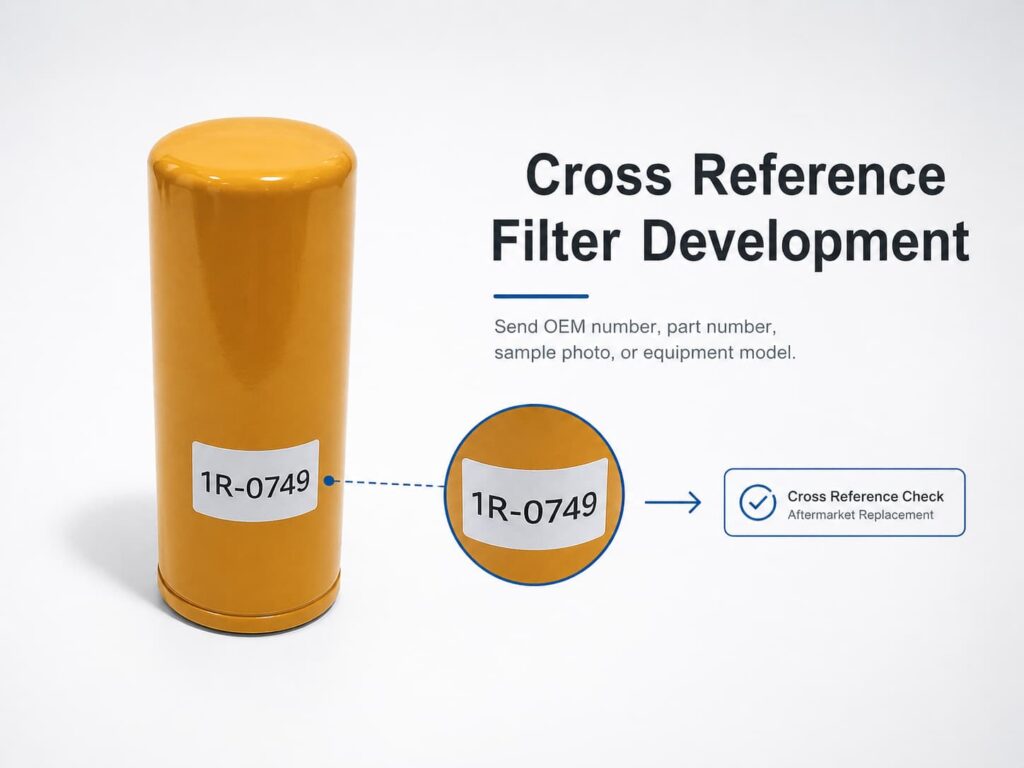
For replacement oil filter matching, buyers can provide the OEM number, cross-reference number, old filter photos, filter base photos, key dimensions, and engine or equipment model. These details help LSX Filter review whether the replacement direction is suitable.
If the part number is unclear, an old filter sample or clear photos of the thread, gasket, bottom plate, and internal structure can also help with initial review.
FAQ About Oil Filter Bypass Valves
Do all oil filters have bypass valves?
No. Some oil filters have a bypass valve inside the filter, while others do not. In some engine systems, the bypass valve is built into the filter base or oil circuit instead of the oil filter itself.
Is an oil filter with a bypass valve better?
Not always. A bypass valve is not a sign that one filter is automatically better than another. The correct design depends on the engine system, filter base structure, oil flow requirement, and original filter specification.
What does the oil filter bypass valve do?
The bypass valve helps maintain oil flow when the filter media becomes blocked, the oil viscosity is high, or flow resistance increases. When pressure becomes high enough, the valve opens and allows oil to continue flowing.
Can I replace an oil filter with one that has a different bypass valve design?
It is not recommended to replace oil filters only by similar size, thread, or gasket position. If the bypass valve location or pressure response is different, the replacement should be checked against the original application requirement.
How can I confirm the correct bypass valve design for replacement?
Buyers can provide the OEM number, cross reference number, old filter photos, filter base photos, thread size, gasket size, and engine or equipment model. LSX Filter can review the information and help confirm the replacement direction.