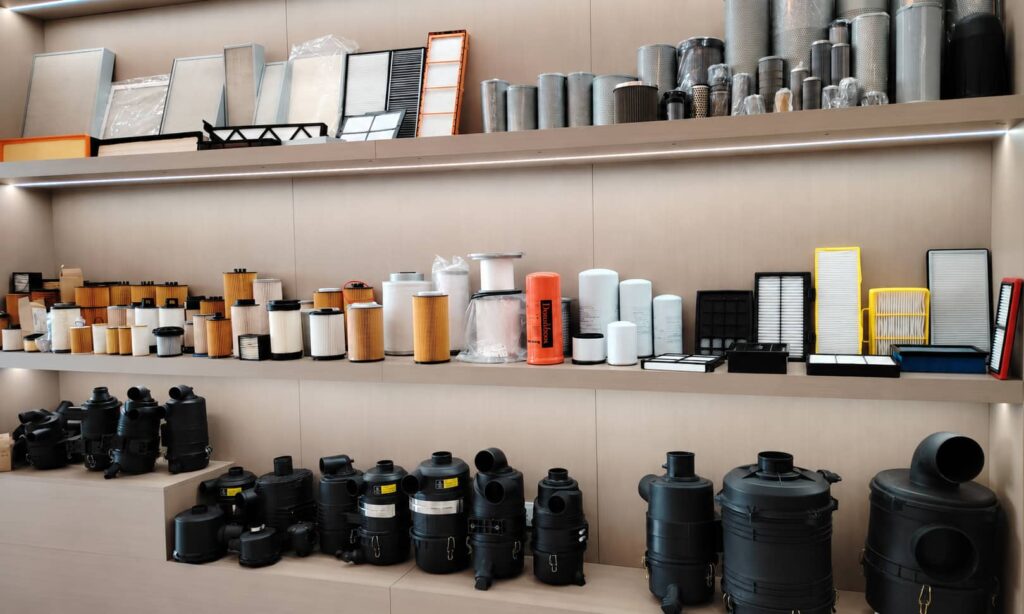
Spin-on oil filters may look interchangeable when the thread size, gasket position, and outer dimensions appear similar. However, physical fit does not always mean correct replacement.
For engine oil filter replacement, buyers should also check the oil inlet hole design, filter media area, bypass valve setting, anti-drainback valve structure, sealing position, and application requirements. A filter may install without an immediate problem, but long-term use with an unmatched oil flow, filtration area, or valve design may increase the risk of poor lubrication performance and shorter service life.
This guide explains why similar-looking oil filters should not be freely interchanged and what buyers should confirm before selecting a replacement spin-on oil filter.
Why the Same Oil Filter Size Does Not Mean the Same Replacement
When two spin-on oil filters have a similar outer diameter, height, thread size, and gasket position, they may look like direct replacements. In some cases, they may also be installed on the same mounting base without an immediate problem.
However, the same oil filter size only confirms physical fit. It does not confirm whether the filter matches the original engine oil flow requirement, filtration area, bypass valve setting, anti-drainback valve design, or internal sealing structure.
For replacement oil filter buyers, this is an important difference. A filter that can be mounted is not always a filter that should be used for long-term replacement. If the internal structure does not match the engine or equipment requirements, the filter may affect oil circulation, filtration performance, pressure response, or service life.
This is why LSX Filter does not recommend selecting replacement oil filters only by size, thread, or gasket position. For bulk orders, cross-reference projects, or equipment maintenance supply, both the external dimensions and the internal matching points should be reviewed before confirming a replacement.
Oil Filter Size Matching vs. Internal Replacement Requirements
| Oil Filter Matching Point | What It Confirms | What It Does Not Confirm |
|---|---|---|
| Thread Size | Whether the oil filter can be mounted | Oil flow design, bypass valve setting, or filter media requirement |
| Outer Diameter | Whether the filter fits the installation space | Filtration area, dirt-holding capacity, or internal media design |
| Overall Height | Whether there is enough installation clearance | Internal media height, pleat area, or oil flow resistance |
| Gasket Position | Whether the sealing surface may contact correctly | Long-term sealing pressure or leakage risk |
| Mounting Face | Whether the filter looks similar during installation | Inlet hole design, oil circulation path, or internal valve structure |
Different Oil Filter Inlet Hole Designs Can Affect Oil Flow
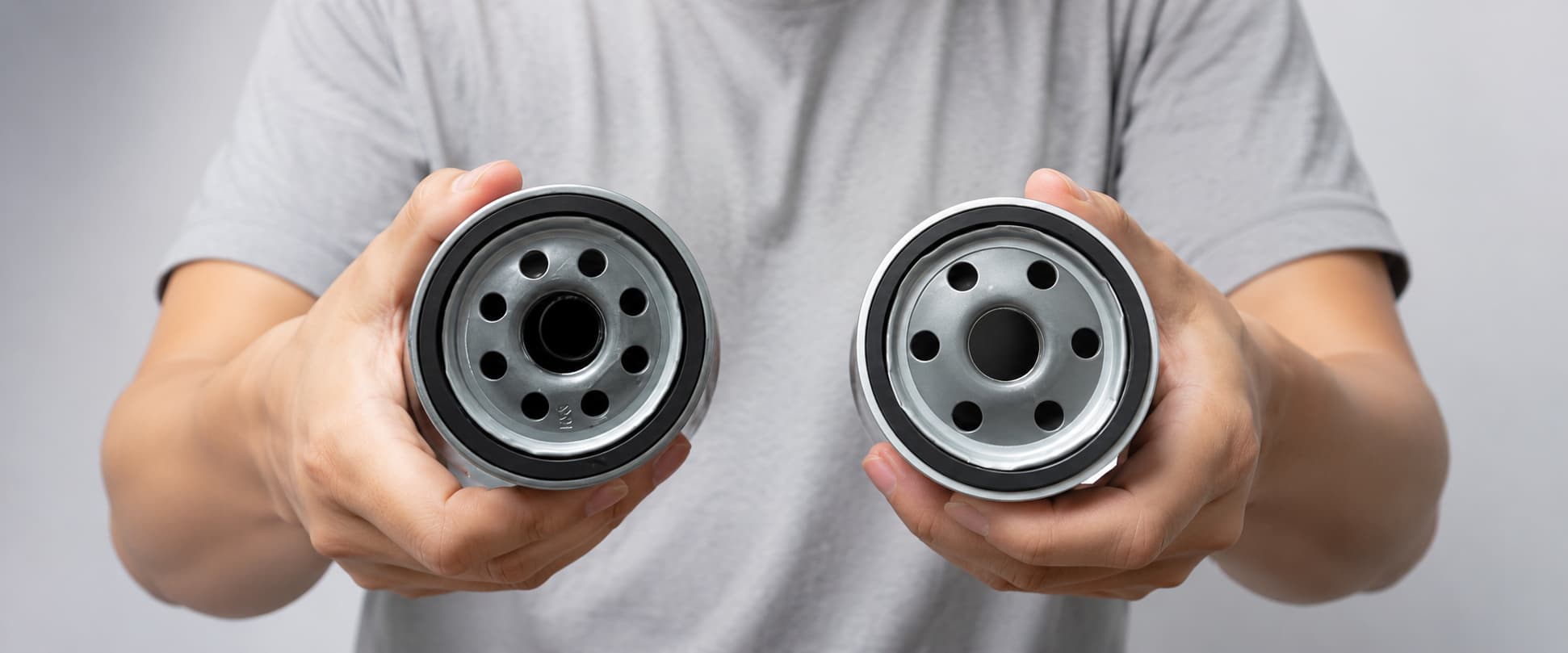
Two oil filters may have the same thread size and a similar mounting face, but their inlet hole designs can still differ. For example, one filter may use six inlet holes, while another may use eight. The hole diameter, hole quantity, and hole layout may all affect how oil enters the filter.
The inlet holes are the first oil entry path before the oil passes through the filter media. If the inlet area or flow path is different from the original design, the oil flow rate and flow distribution may not match the engine requirement as closely as expected.
This does not mean that every similar filter will cause an immediate failure. In many cases, a filter may install and work for a short period. The concern is long-term matching. If the oil filter is repeatedly replaced with a model that has a different inlet hole design, different media area, or different valve structure, the engine may operate under oil flow conditions that were not intended for the original application.
For this reason, LSX Filter recommends checking the inlet hole design together with the thread size, gasket position, filter media, bypass valve, and anti-drainback valve when confirming a replacement oil filter.
Different Oil Filter Media Area Can Change Filtration Capacity
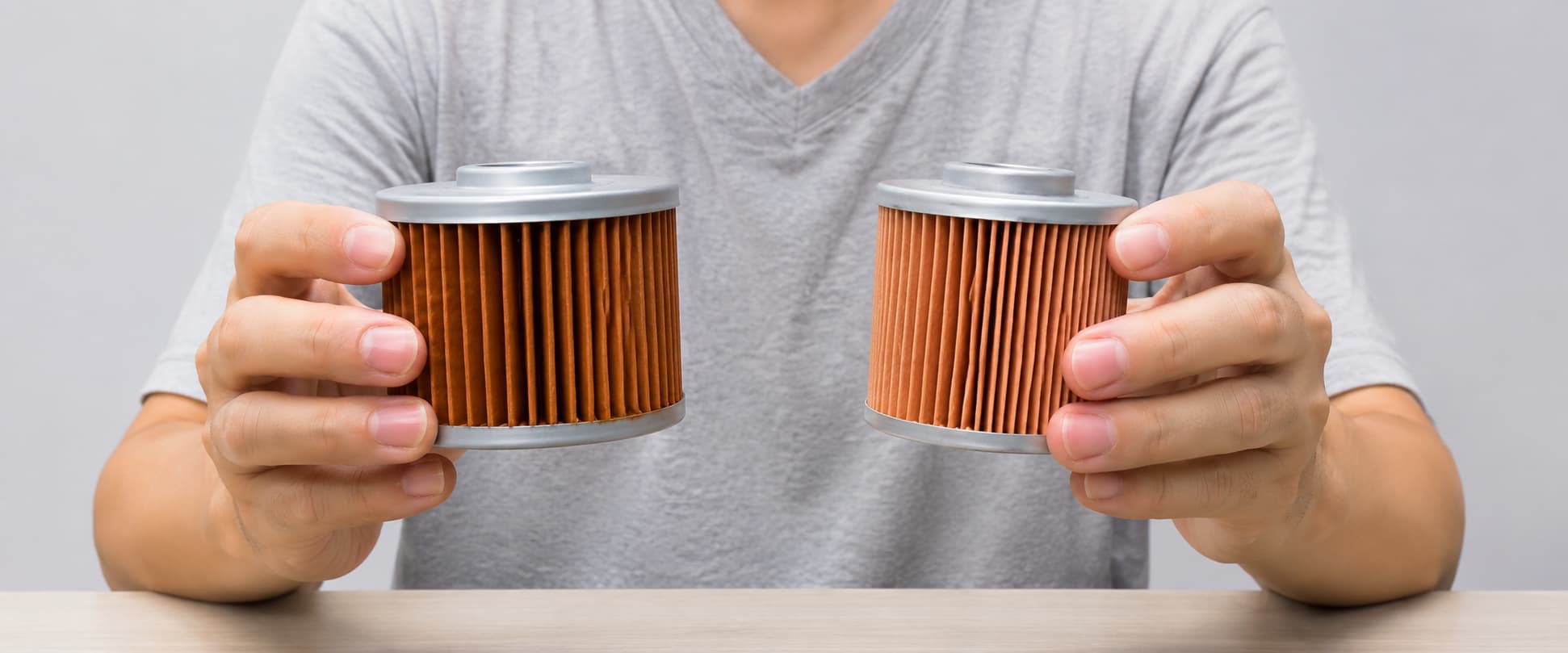
Oil filters with similar housing size do not always have the same filter media area. Even when two filters look close in height or diameter, the internal paper element may be different in media height, pleat depth, pleat density, and support structure.
The filter media area affects how much oil can pass through the filter, how much contamination the filter can hold, and how the filter performs during its service life. A filter with a smaller or different media structure may create a different flow resistance or have a different dirt-holding capacity compared with the original filter.
This is one reason why LSX Filter does not recommend choosing a replacement oil filter only by outside size. The outer shell may look similar, but the internal media design may not match the original engine oil filtration requirement.
For buyers sourcing replacement oil filters, filter media should be reviewed together with the part number, cross-reference number, dimensions, inlet hole design, bypass valve, and anti-drainback valve structure.
Different Oil Filter Bypass Valve Settings May Affect Replacement Matching
Bypass valve design is another reason why similar-looking oil filters should not be freely interchanged. The bypass valve is designed to allow oil flow under specific pressure conditions when the filter media creates higher resistance, such as during cold starts, high oil viscosity, or filter loading.
Different engines may require different bypass valve opening settings. If a replacement oil filter uses a bypass valve design that does not match the original application, the oil flow response may be different from what the engine system was designed for.
This does not mean the filter will fail immediately after installation. The risk is that the engine may operate for a long time with a bypass response that is not fully matched to the original oil filtration system. For replacement oil filter buyers, this is why the bypass valve structure should be checked together with size, thread, gasket position, inlet hole design, and filter media area.
When LSX Filter reviews a replacement oil filter project, the bypass valve is one of the internal matching points that may need to be confirmed, especially for cross-reference, old sample review, or bulk replacement projects.
Different Oil Filter Anti-Drainback Valve Designs Can Affect Oil Retention
The anti-drainback valve is an important internal part of many spin-on oil filters. Its function is to help reduce oil backflow after the engine stops, especially when the filter is installed in a side-mounted or angled position.
Two oil filters may look similar from the outside, but the anti-drainback valve material, sealing position, and sealing pressure may be different. These differences can affect how well the filter holds oil inside the housing after shutdown.
For some engine applications, oil retention is important for restart lubrication. If a replacement oil filter uses a different anti-drainback valve design, the filter may still be installed correctly, but its oil retention performance may not match the original filter requirement.
This is why the anti-drainback valve structure should not be ignored when confirming oil filter replacement. For buyers comparing similar oil filters, LSX Filter recommends checking the original part number, cross-reference number, mounting position, sealing structure, and application equipment before confirming long-term replacement.

Key Risks of Using Similar-Sized Oil Filters as Direct Replacements
Similar-sized oil filters are not always direct replacements. For replacement buyers, the main concern is not whether the filter can be installed once, but whether the oil filter can match the engine lubrication system during long-term operation.
A filter with the same thread and similar outer dimensions may still have different internal specifications. These differences may affect oil flow, filtration area, valve response, sealing performance, and service life.
Different Oil Flow Rate
Different inlet hole quantities, hole diameters, and oil entry layouts may change how oil enters the filter. This can affect oil flow distribution before the oil passes through the filter media.
Different Filter Media Area
The internal paper element may have different media height, pleat depth, or pleat density. This can affect filtration area, dirt-holding capacity, flow resistance, and service life.
Different Bypass Valve Response
The bypass valve may have a different opening setting or internal structure. If it does not match the original application, the oil flow response may not be the same under cold start, high viscosity, or loaded filter conditions.
Different Anti-Drainback Valve Performance
The anti-drainback valve may use a different material, sealing position, or sealing pressure. This can affect how well oil is retained inside the filter after engine shutdown.
Different Sealing and Mounting Structure
Even when the thread size and gasket position look similar, the mounting face, base plate shape, and sealing surface may not fully match the original oil filter design. This may increase replacement uncertainty in long-term use.
What Buyers Should Confirm Before Using a Replacement Oil Filter
Before using one oil filter as a replacement for another, buyers should confirm more than just the visible size and thread. The replacement filter should be checked against the original part number, cross-reference number, mounting dimensions, sealing structure, oil flow design, filter media, and engine application.
For distributors, maintenance suppliers, and equipment parts buyers, this step is especially important before bulk orders. A replacement filter may look similar during installation, but small differences in the inlet holes, media area, bypass valve, or anti-drainback valve can affect long-term matching.
The safest replacement process is to compare the original oil filter information with the intended replacement filter. If the original part number is no longer available, clear photos, dimensions, equipment information, and old filter samples can also help confirm the replacement direction.
Oil Filter Replacement Information Buyers Should Provide
| Information to Confirm | Why It Matters |
|---|---|
| OEM Number or Original Part Number | Helps identify the original filter specification and application direction. |
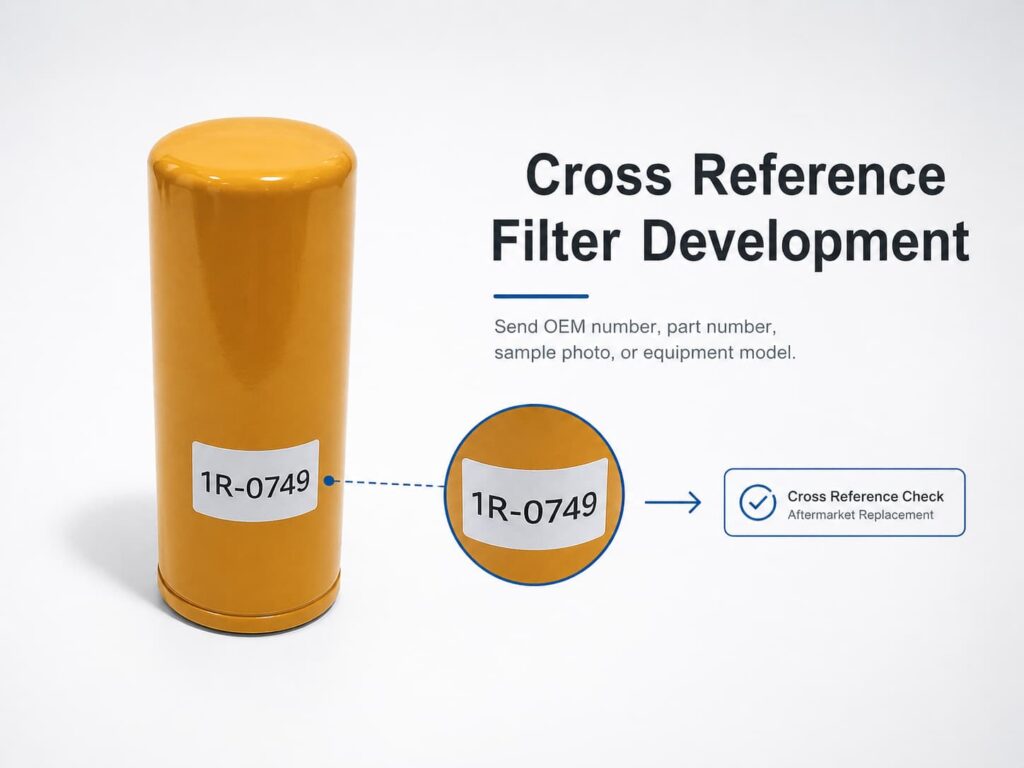
| Cross Reference Number | Helps compare possible replacement options from different brands. For projects based on old part numbers or competitor numbers, LSX Filter can support cross reference filter development. |
| Thread Size | Confirms whether the oil filter can be mounted correctly on the engine or equipment. |
| Gasket Size and Position | Helps check sealing surface compatibility and reduce leakage risk. |
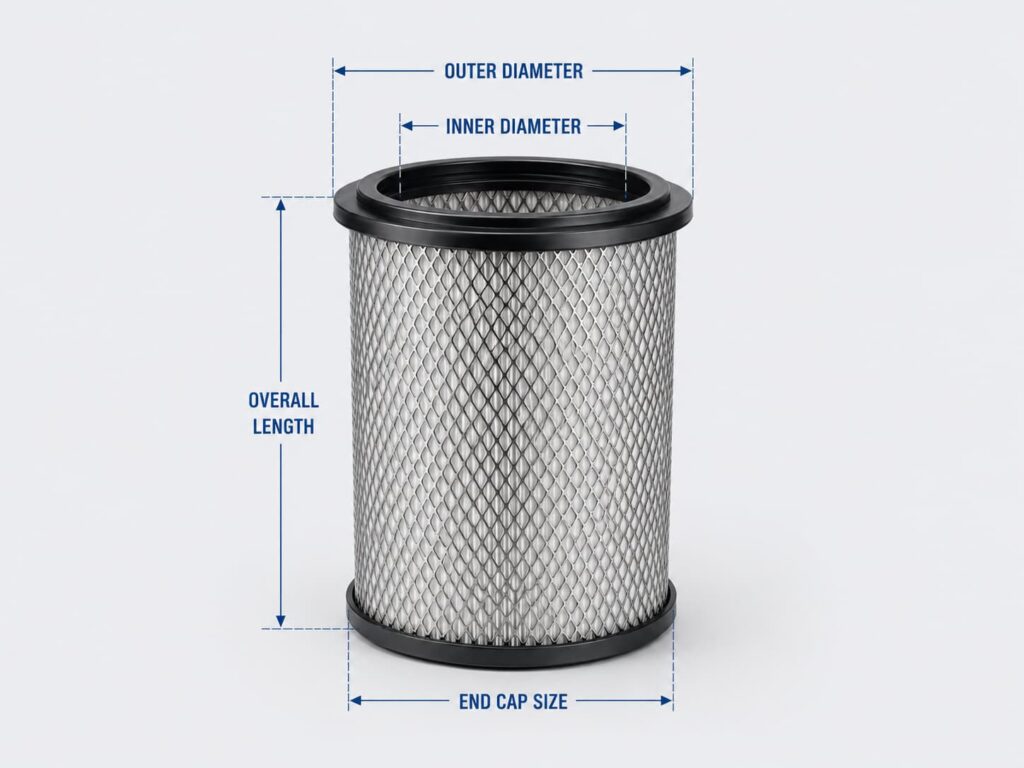
| Outer Diameter and Height | Confirms installation space and physical fit. Buyers can also use filter dimension confirmation when OD, height, thread, or gasket size needs to be reviewed. |
| Inlet Hole Design | May affect oil entry path, flow rate, and flow distribution before oil passes through the filter media. |
| Filter Media Type and Area | Affects filtration performance, dirt-holding capacity, flow resistance, and service life. |
| Bypass Valve Requirement | Helps match the engine oil pressure and bypass response conditions. |
| Anti-Drainback Valve Design | Helps match oil retention needs after engine shutdown, especially for side-mounted or angled filter positions. |
| Engine or Equipment Model | Confirms whether the replacement oil filter is suitable for the actual application. |
| Old Filter Photos or Sample | Helps review the label, thread, gasket, mounting face, and visible structure. If part numbers are unclear, LSX Filter can provide old filter sample review. |
| Required Quantity | Helps confirm sample review, quotation, and bulk supply direction. |
FAQ About Oil Filter Replacement Interchange
Can I use an oil filter if the thread size is the same?
Not always. The same thread size only means the oil filter may be mounted. Buyers should also confirm the gasket position, inlet hole design, filter media area, bypass valve setting, anti-drainback valve design, and actual engine or equipment application.
Are 6-hole and 8-hole oil filters interchangeable?
They should not be selected only by the number of inlet holes. The hole quantity, hole diameter, and inlet layout may affect how oil enters the filter. Replacement should be checked together with the original part number, dimensions, flow requirements, and application information.
Why does oil filter media area matter for replacement?
Filter media area affects filtration capacity, dirt-holding capacity, flow resistance, and service life. Two oil filters may have similar outer dimensions, but the internal paper element, pleat height, pleat depth, and media type may be different.
What happens if the oil filter bypass valve setting is different?
A different bypass valve setting may change how the oil filter responds under cold start, high oil viscosity, or loaded filter conditions. This may affect oil flow response compared with the original filter design.
Can LSX Filter help check whether one oil filter can replace another?
Yes. Buyers can provide the OEM number, cross reference number, old filter photos, key dimensions, thread size, gasket size, and engine or equipment model. LSX Filter can review the information and help confirm the replacement direction.