Different construction equipment operates under varying working conditions, so the filter requirements also differ. Excavators usually require air filters with high dust-holding capacity because they often work in dusty environments. Loaders need durable hydraulic filters to handle frequent lifting and loading operations. Road rollers require oil filters with stable performance to withstand long working hours, heat and vibration.
Choosing the right filter is not only about matching the size or part number. A suitable filter solution should consider the machine’s working environment, contamination level, hydraulic system conditions and operating cycle.
As a filter manufacturer, LSX provides replacement and customised filtration solutions for construction equipment applications, helping customers select filters based on actual machine requirements rather than simple dimensional matching.

Why Filter Selection Matters for Construction Equipment
Construction equipment usually operates in challenging environments, including construction sites, mining areas, road projects and outdoor working conditions. Dust, oil contamination, temperature changes and continuous operation all create additional stress on filtration systems.
A filter is not only a replacement component. It directly affects the cleanliness of engine oil, fuel, air intake and hydraulic oil. When a filter does not match the equipment’s operating conditions, contamination can accumulate faster, leading to reduced efficiency, increased component wear, and higher maintenance costs.
For this reason, filter selection should always start from the application environment and equipment operation characteristics.
Excavator Filter Selection: Protecting Against Dust and Hydraulic Contamination
Excavators are widely used for earthmoving, mining, construction and heavy-duty operations. These working environments usually contain large amounts of dust and fine particles, which makes filtration performance especially important.
For excavators, air filter selection is a key consideration. A filter with high dust-holding capacity can capture more airborne particles before airflow resistance increases significantly. This helps maintain stable engine performance during long working hours, especially in dusty construction environments.
When the air filter becomes heavily contaminated, airflow to the engine may decrease, causing reduced power output, increased fuel consumption and unstable combustion.
In addition to air filtration, excavator hydraulic systems also require reliable filtration protection. Hydraulic pumps, valves and cylinders depend on clean hydraulic oil to maintain stable operation. Hydraulic filters used in excavators need to provide consistent contamination control and reliable performance under continuous heavy-duty conditions.
Loader Filter Selection: Hydraulic Filter Durability for Frequent Operations
Loaders usually perform repeated loading, lifting and material handling operations. Compared with some other construction machines, loaders experience frequent hydraulic movements and continuous pressure changes during daily operation.
Because of this working pattern, hydraulic filters used in loaders need to maintain filtration performance under changing system conditions. The filter structure should be able to handle hydraulic pressure fluctuations while continuing to remove contaminants from the oil.
A suitable loader hydraulic filter helps protect important components such as hydraulic pumps and control valves. Reducing contamination inside the hydraulic system, it can help improve equipment reliability and reduce unexpected downtime.
Road Roller Filter Selection: Stable Oil Filtration for Long Working Cycles
Road rollers are commonly used for road construction and compaction projects. They often operate continuously for extended periods under vibration and high-temperature conditions.
For this type of equipment, engine oil filter performance is especially important. The filter needs to maintain effective contamination removal while ensuring reliable sealing during long-term operation.
Oil filters with good contaminant holding capacity and stable sealing performance help keep lubricating oil clean, reducing wear caused by particles entering engine components.
In long-duration construction projects, stable filtration performance can directly affect equipment availability and maintenance intervals.
Filter Requirements for Different Construction Equipment
The following comparison shows how working conditions influence filter selection for different types of construction machinery.
| Equipment Type | Working Conditions | Main Filter Challenge | Filter Selection Focus |
|---|---|---|---|
| Excavator | Dusty construction sites, mining areas and earthmoving operations with high particle exposure. | Dust contamination and hydraulic system cleanliness. | High dust-holding air filters and reliable hydraulic filters for continuous protection. |
| Loader | Frequent loading and lifting operations with repeated hydraulic movements. | Hydraulic pressure changes and continuous system load. | Durable hydraulic filters that maintain stable filtration under changing conditions. |
| Road Roller | Long working hours with continuous vibration and high-temperature operation. | Heat, vibration and extended service cycles. | Oil filters with reliable sealing and strong contaminant holding capacity. |
How to Choose the Right Construction Equipment Filter Supplier
For distributors, repair companies and equipment maintenance teams, choosing a filter supplier is not only about finding a replacement product with the correct dimensions.
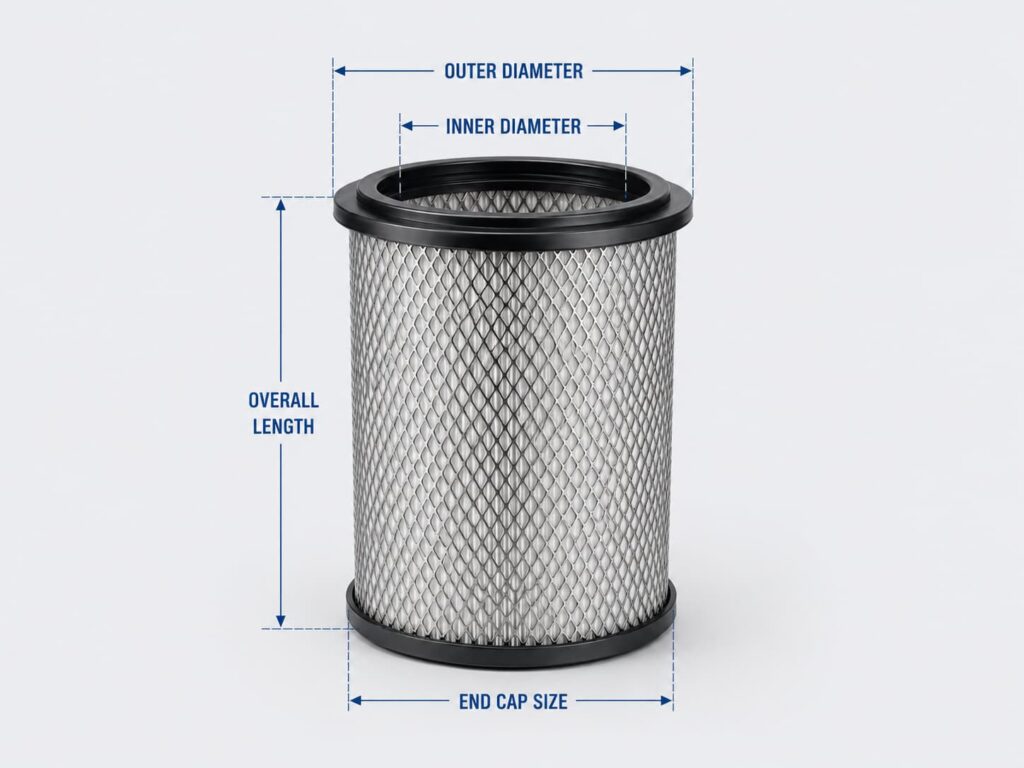
A professional filter supplier should understand different equipment applications and provide solutions based on filtration requirements. Important factors include filter media, filtration accuracy, sealing structure, pressure resistance and compatibility with the target machine.
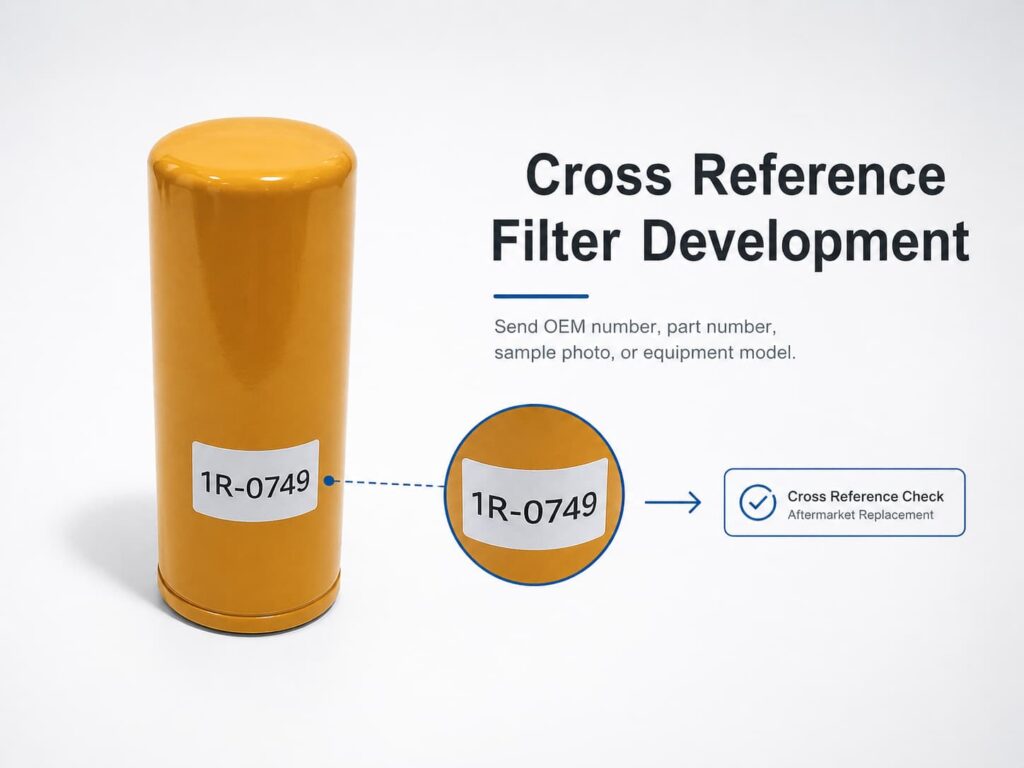
For replacement projects, accurate matching is also important. Buyers should confirm the equipment model, OEM reference number, filter dimensions, installation position and operating environment before selecting a replacement filter.
As a manufacturer, LSX supports replacement filter development based on samples, drawings, OEM numbers and application requirements. This helps customers obtain suitable filtration solutions for excavators, loaders, rollers and other industrial equipment.
FAQ
Can the same filter be used for different construction equipment?
Not always. Different machines operate under different conditions, so the required filtration performance may vary even if two filters have similar dimensions. Equipment type, working environment and system requirements should all be considered before selecting a replacement filter.
What filters are commonly used in excavators?
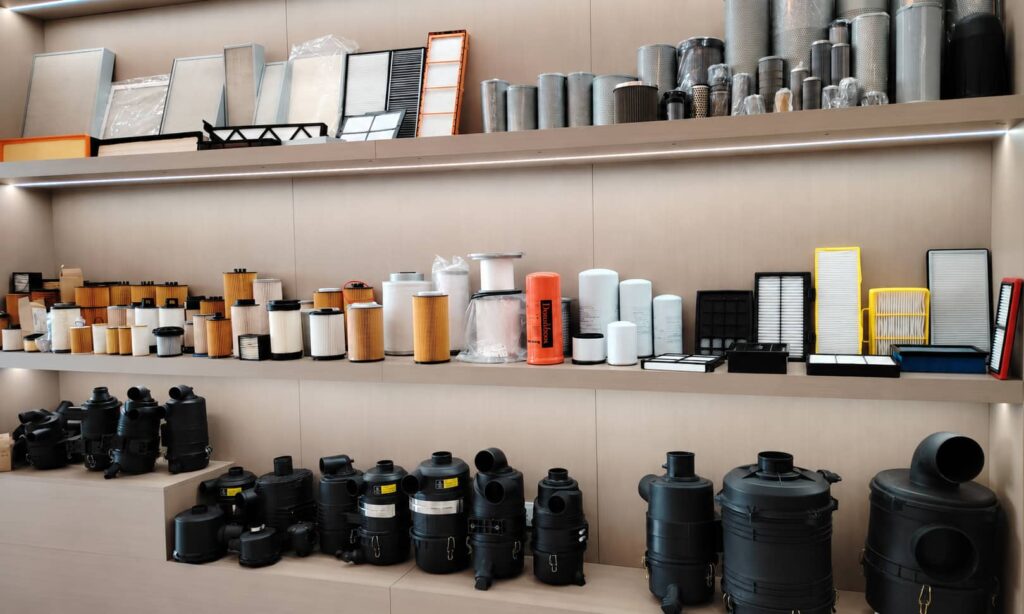
Common excavator filters include air filters, fuel filters, engine oil filters and hydraulic filters. The exact filter configuration depends on the equipment model, engine system and hydraulic system design. For dusty working environments, air filter dust-holding capacity and hydraulic oil cleanliness are especially important.
Why is working condition important when selecting a construction equipment filter?
Different working conditions create different contamination levels, pressure changes and operating temperatures. A filter designed for one application may not provide the best performance in another environment. Selecting filters based on actual machine conditions helps improve filtration efficiency and extend component service life.
What information is needed when ordering replacement filters?
Buyers should provide the equipment model, OEM reference number, filter dimensions, installation position and available samples or drawings. This information helps ensure accurate filter matching and reduces the risk of incorrect replacement.