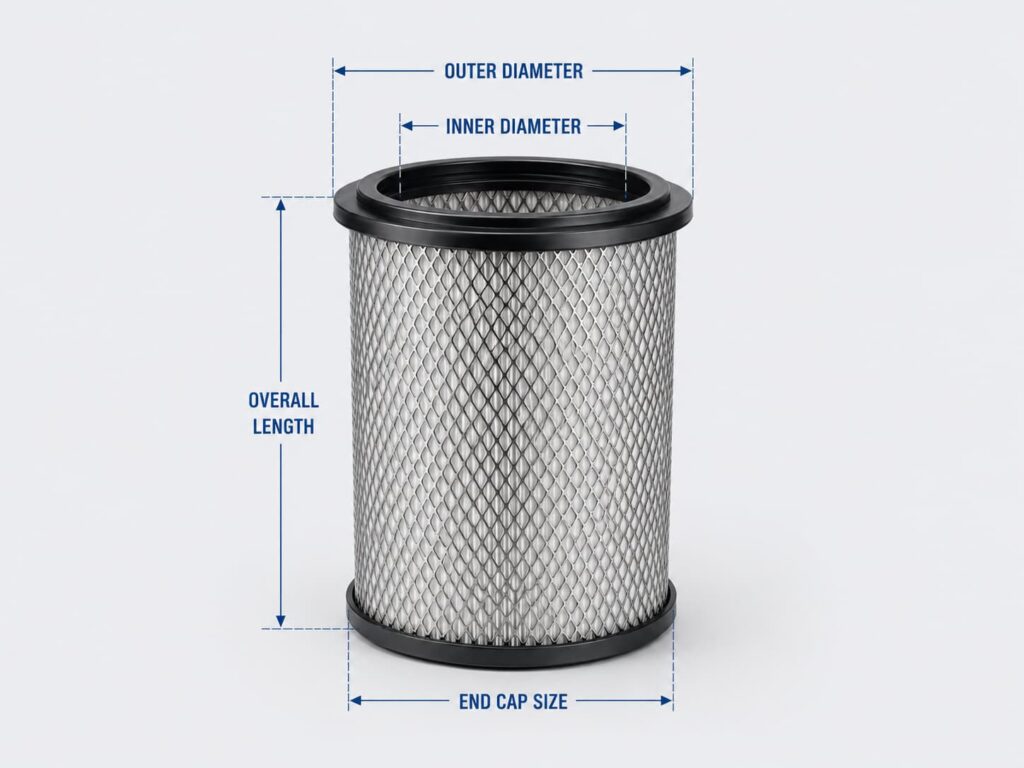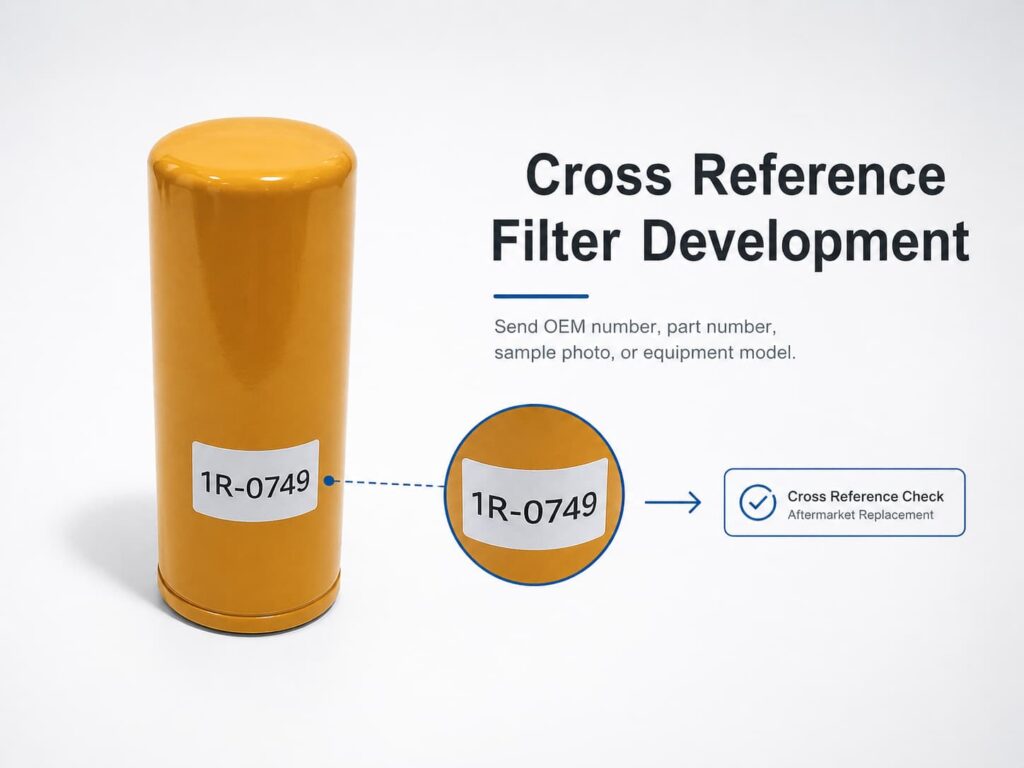
When an excavator becomes weak, slow, or difficult to control, the problem is often related to abnormal hydraulic pressure or oil contamination. In many cases, maintenance teams first consider the hydraulic pump or the main control valve. However, smaller maintenance parts such as the hydraulic return filter, pilot filter, and suction strainer should also be checked.
These filters are responsible for keeping hydraulic oil clean at different points of the system. If they become clogged, damaged, or installed incorrectly, oil flow may be restricted, system pressure may become unstable, and machine movement may slow or weaken.
For excavator maintenance teams and replacement filter buyers, understanding these three hydraulic filter parts can help reduce unnecessary repair costs and prevent serious hydraulic system damage.
Suction Strainer: Protecting the Hydraulic Pump from Contamination
The suction strainer is used to filter impurities inside the hydraulic oil before the oil enters the hydraulic pump. After long-term operation, hydraulic oil pipes and oil tanks may contain small metal particles, dirt, or other contaminants. The suction strainer helps prevent these particles from entering the pump directly.
In most cases, the suction strainer does not need frequent replacement, especially on machines that are not very old. If the strainer surface is not seriously worn, broken, or deformed, it can usually be cleaned with clean diesel or cleaning fluid, fully dried, and reused.
Before cleaning or removing the suction strainer, the excavator should be parked on a firm and flat surface. The engine must be turned off, and the safety lock should be lowered. It is also important to avoid dusty or windy conditions during maintenance, because external dirt can easily enter the hydraulic oil tank.
The area around the hydraulic tank cap should be cleaned first. Then release the pressure inside the hydraulic oil tank before removing the cover and taking out the suction strainer. After cleaning, check the bottom O-rings. If they are worn or damaged, they should be replaced before installation.
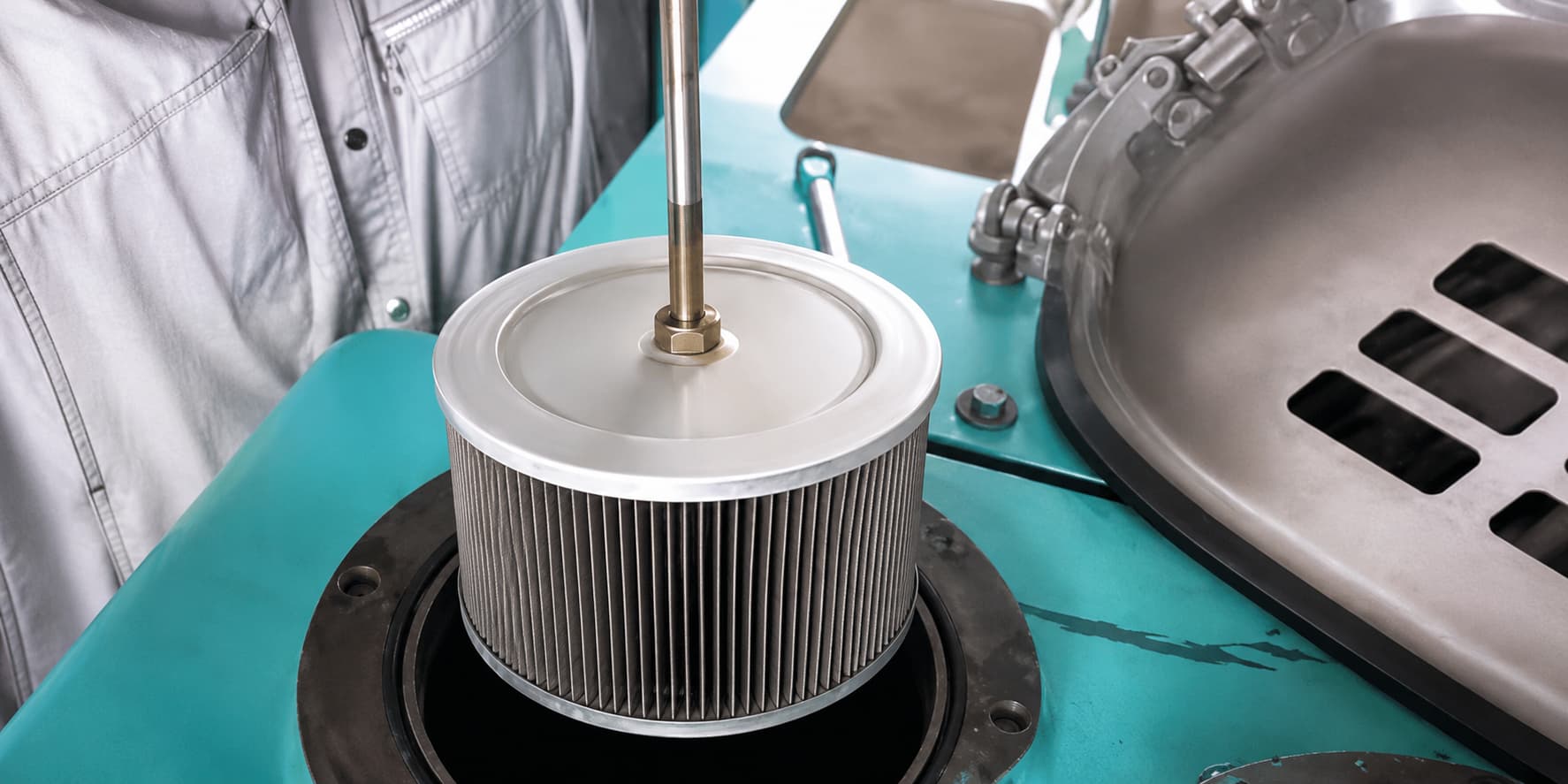
After the suction strainer is installed, start the engine and let it run at low speed for several minutes. Move the cylinders and rotate the machine slowly, then return the machine to the standard hydraulic oil level checking position. Stop the engine and check the hydraulic oil level again. If the oil level is low, add oil as required.
Hydraulic Return Filter: Protecting the Hydraulic Circuit
The hydraulic return filter protects the hydraulic circuit by filtering oil that returns from cylinders, motors, valves, and other hydraulic components.
During excavator operation, metal powder, oil sludge, and wear particles are naturally generated inside the hydraulic circuit. Foreign particles may also enter the system during breaker use, attachment replacement, or improper maintenance. The return filter removes these contaminants before the oil returns to the hydraulic tank.
If the return filter is not replaced regularly, it may become clogged and lose filtration performance. Once this happens, contaminants continue to circulate in the hydraulic circuit. This can lead to hydraulic component wear, valve sticking, abnormal heat, and serious damage to the hydraulic system.
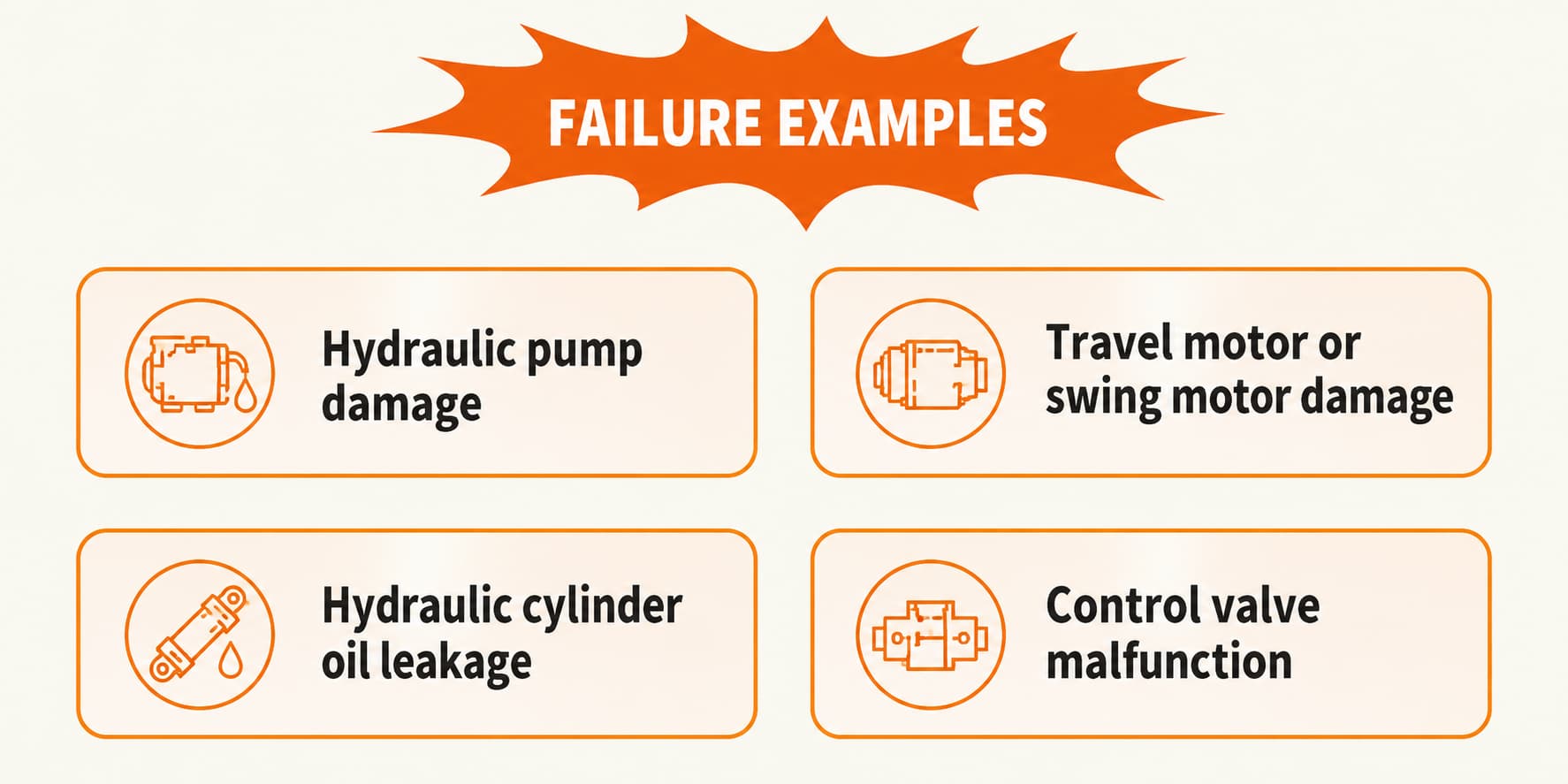
A clogged return filter may also increase back pressure in the return line. Common symptoms include weak machine movement, slow hydraulic response, high hydraulic oil temperature, and abnormal pump noise.
Important Installation Notes for Hydraulic Return Filters
Correct installation is very important when replacing a hydraulic return filter. The inner tube, metal plate, sealing strip, and other related parts must be installed properly.
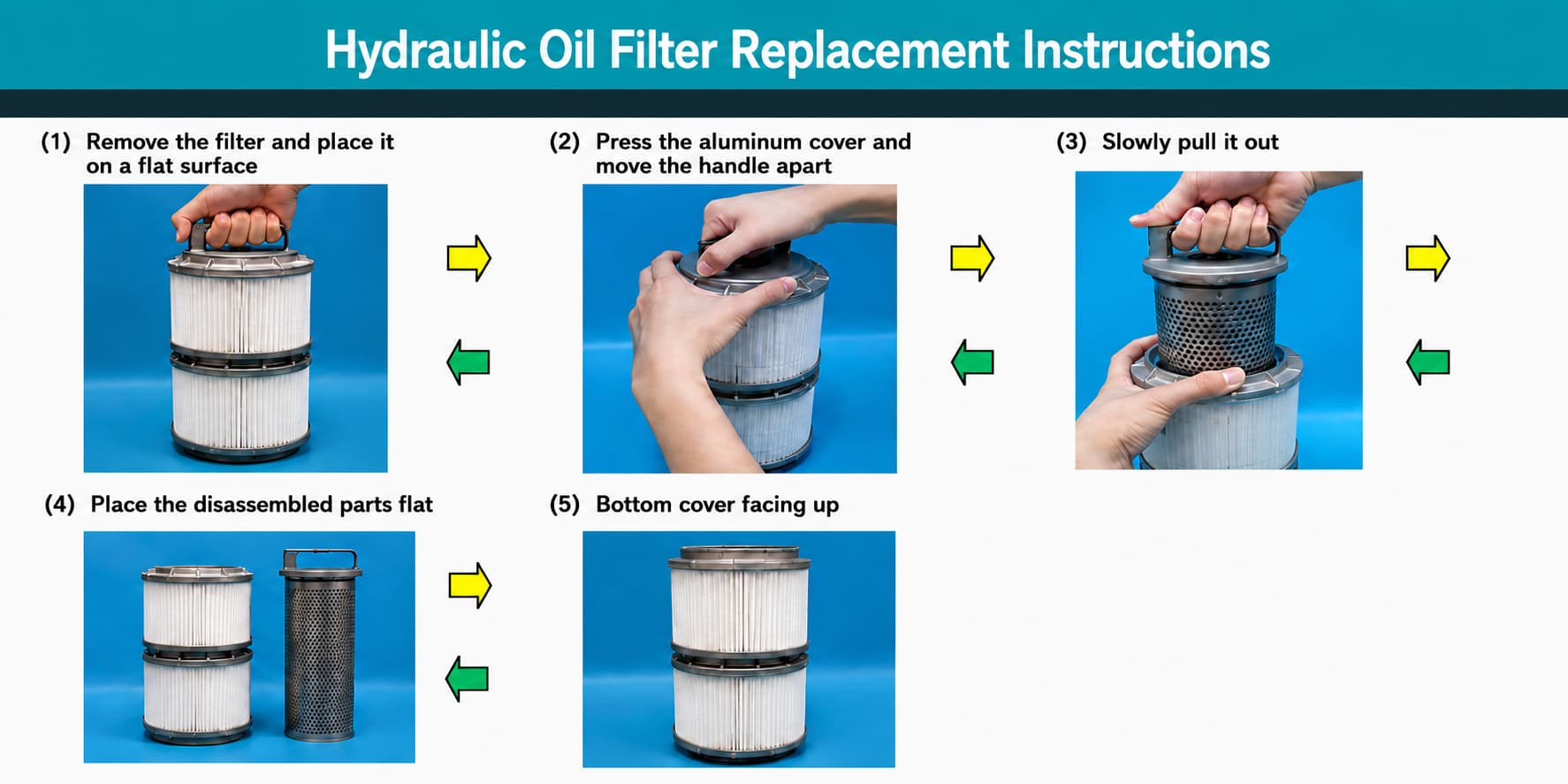
If any part is missing or installed in the wrong position, contaminants such as oil sludge, metal particles, and foreign matter may still enter the hydraulic circuit. In this case, the hydraulic oil cannot be fully filtered, even if a new filter element has been installed.
From a factory perspective, this is one of the most common causes of filtration failure after replacement. The filter itself may be correct, but incorrect installation can still damage the hydraulic circuit.
Pilot Filter: Small Filter, Big Impact on Control Response
The pilot filter is small, but it has an important role in the excavator control system. It filters and collects impurities from the pilot hydraulic oil circuit.
Many common problems, such as heavy joystick operation, slow control response, weak machine movement, or poor whole-machine speed, may be related to pilot filter contamination.
The pilot filter does not need to be replaced as often as some other filters. Under normal conditions, it is usually replaced around 2000 working hours or about once a year. However, the actual replacement cycle should be adjusted according to the working environment and machine condition.
If the pilot filter is not cleaned or replaced in time, it may become clogged or even damaged. Contaminants will then continue to circulate in the pilot oil circuit. Over time, this may cause wear in the gear pump, regulator, and related control components.
When installing a pilot filter, pay attention to the arrow direction on the filter element. It should point toward the hydraulic return oil direction.
When Should These Hydraulic Filters Be Cleaned or Replaced?
The suction strainer, return filter, and pilot filter have different functions and maintenance methods. The table below gives a quick comparison for maintenance teams and replacement filter buyers.
| Component | Main Function | Clean or Replace? | Common Warning Signs |
|---|---|---|---|
| Suction Strainer | Filters hydraulic oil before it enters the pump and helps prevent large contaminants from damaging pump components. | Clean if the surface is not damaged. Replace if the strainer is worn, broken, deformed, or heavily contaminated. | Poor oil supply, pump noise, unstable hydraulic operation, visible contamination in oil tank. |
| Hydraulic Return Filter | Filters oil returning from cylinders, motors, and valves before it goes back to the hydraulic tank. | Replace regularly according to maintenance schedule or when clogging signs appear. | Weak movement, slow response, high oil temperature, increased back pressure, abnormal pump noise. |
| Pilot Filter | Filters pilot control oil to keep the control circuit clean and maintain stable hydraulic response. | Clean if slightly dirty. Replace around 2000 working hours or once a year, depending on working conditions. | Heavy joystick, slow control response, weak machine movement, poor whole-machine speed. |
Safe Maintenance Steps Before Removing Hydraulic Filters
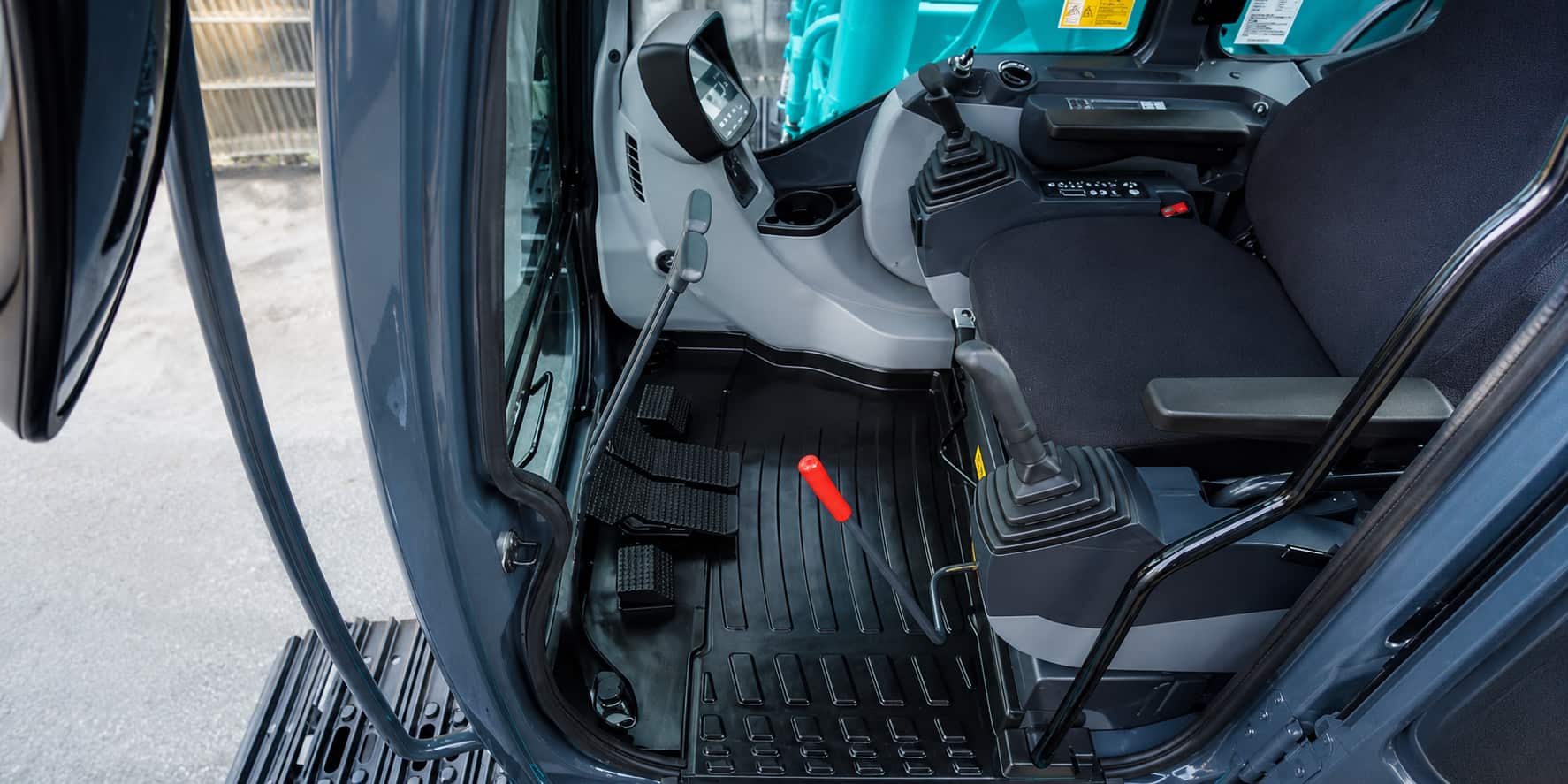
Before removing any hydraulic filter, the working area should be cleaned first. Dust, sand, and metal particles near the oil tank can easily fall into the system during maintenance.
The machine should be parked on firm, flat ground. Turn off the engine, lower the safety lock, and release hydraulic tank pressure before opening the tank cover or removing filter components. If cleaning is required, use clean diesel or a suitable cleaning fluid. The cleaned strainer must be fully dry before installation.
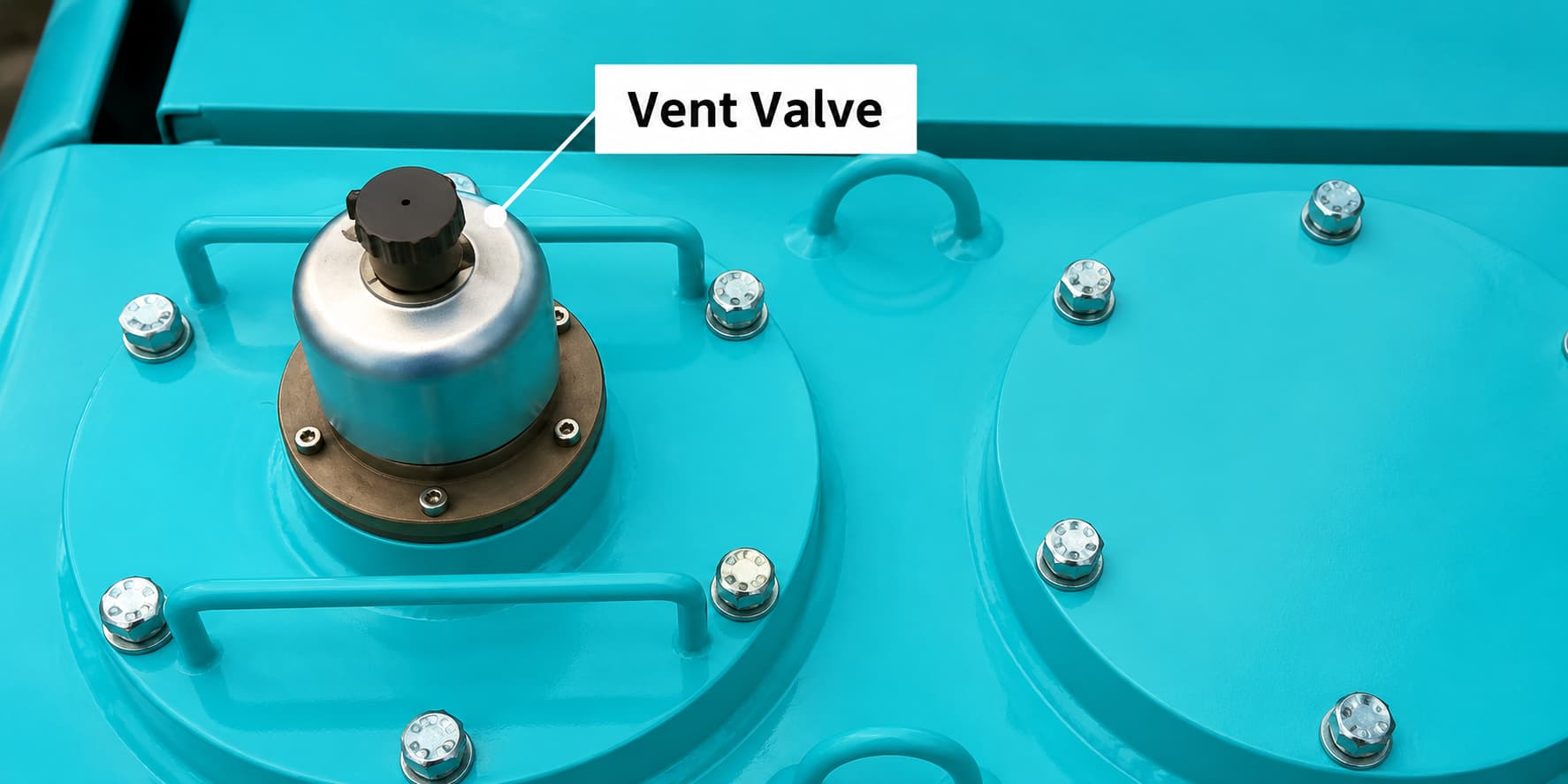
Sealing rings and O-rings should also be checked carefully. If they are worn, hardened, or damaged, they should be replaced. Reusing damaged seals may cause leakage or contamination entry.
Factory Recommendation for Replacement Filter Buyers
For distributors, repair service companies, and aftermarket filter buyers, hydraulic filters should not be selected only by appearance or approximate size.
Before sourcing replacement filters, it is better to confirm the OEM number, filter dimensions, sealing structure, installation direction, filter media, support structure, and compatible excavator model. For pilot filters and return filters, flow direction and sealing structure are especially important.
LSX Filters can support replacement hydraulic filter development based on sample, drawing, OEM number, dimensions, and application requirements. For excavator hydraulic return filters, pilot filters, and suction strainers, correct matching helps reduce installation errors and protects the hydraulic system during operation.
Conclusion
When an excavator becomes weak, slow, or difficult to control, the problem is not always caused by the hydraulic pump or main valve. A clogged return filter, contaminated pilot filter, or blocked suction strainer can also affect hydraulic pressure, oil flow, and control response.
Regular inspection, correct cleaning, proper installation, and timely replacement of these hydraulic filter components can reduce downtime and extend hydraulic system life.