Why Rainy Season Is a Critical Period for Excavator Filtration Systems
During continuous rainy or high-humidity weather, excavators operate in environments where moisture, dust, and temperature changes constantly interact.
For filtration systems, this is not a normal working condition.
From an engineering perspective, moisture affects every key filter in the machine, including air intake, fuel delivery, engine lubrication, and hydraulic circulation.
When water enters or accumulates inside these systems, it can lead to:
- reduced engine efficiency
- fuel contamination
- hydraulic oil emulsification
- abnormal wear of precision components
For construction machinery operators and maintenance teams, the rainy season is often the period when hidden filter issues begin to appear.
Air Filter Performance Under High Humidity Conditions
The air filter system is one of the first components affected by moisture.
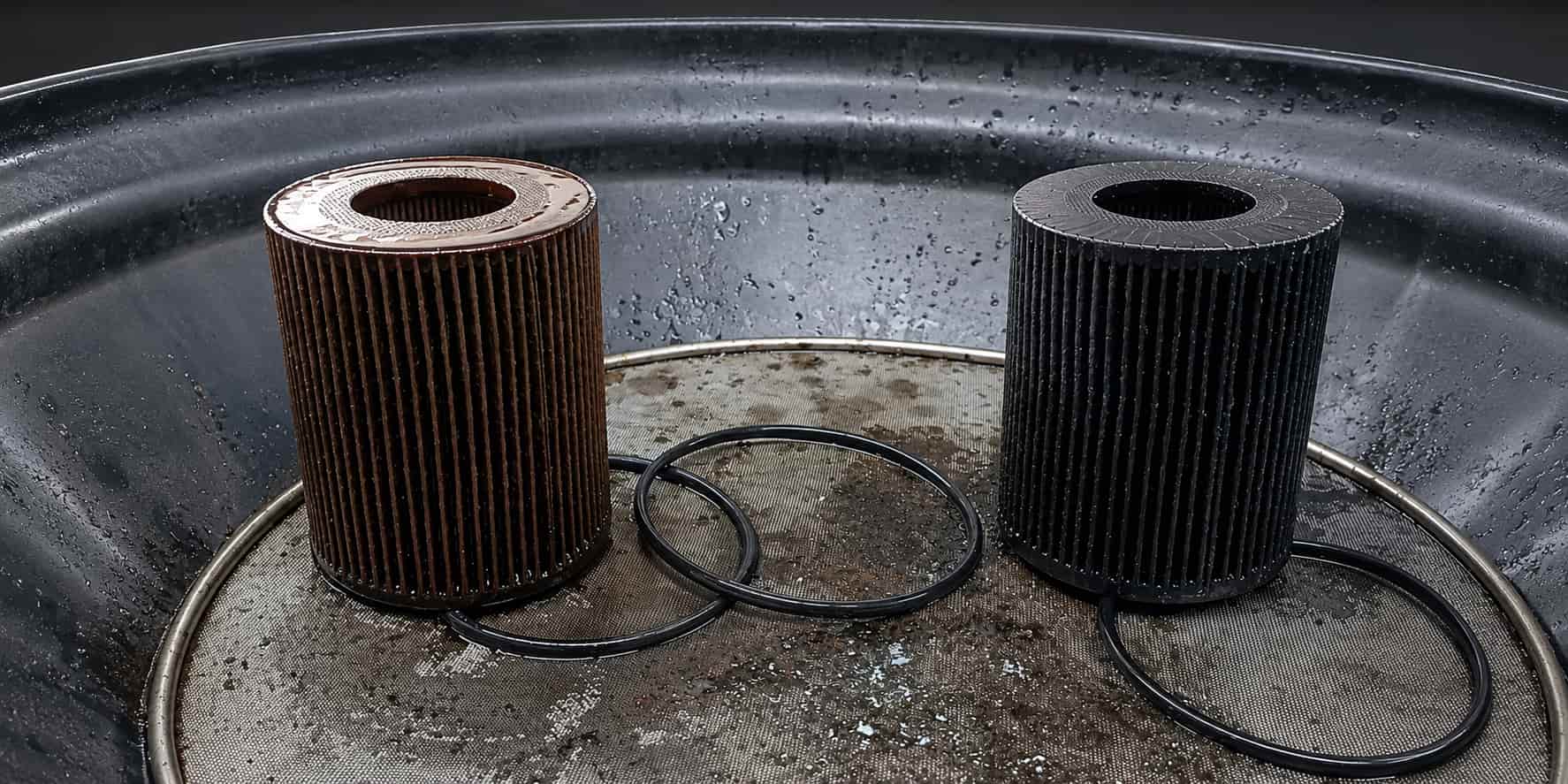
In high humidity environments, filter media—especially paper-based elements—can absorb moisture and become softer. Once this happens, airflow resistance increases and dust particles mixed with water may form blockages inside the filter structure.
In real working conditions, this leads to reduced intake efficiency and unstable engine combustion.
For excavators working in wet soil or rainy environments, it is recommended to avoid water ingress above the track roller center line and ensure all air filter housings are properly sealed and locked.
From a manufacturing perspective, early replacement is always safer than cleaning a moisture-damaged filter element.
Fuel System Risks: Water Condensation and Diesel Contamination
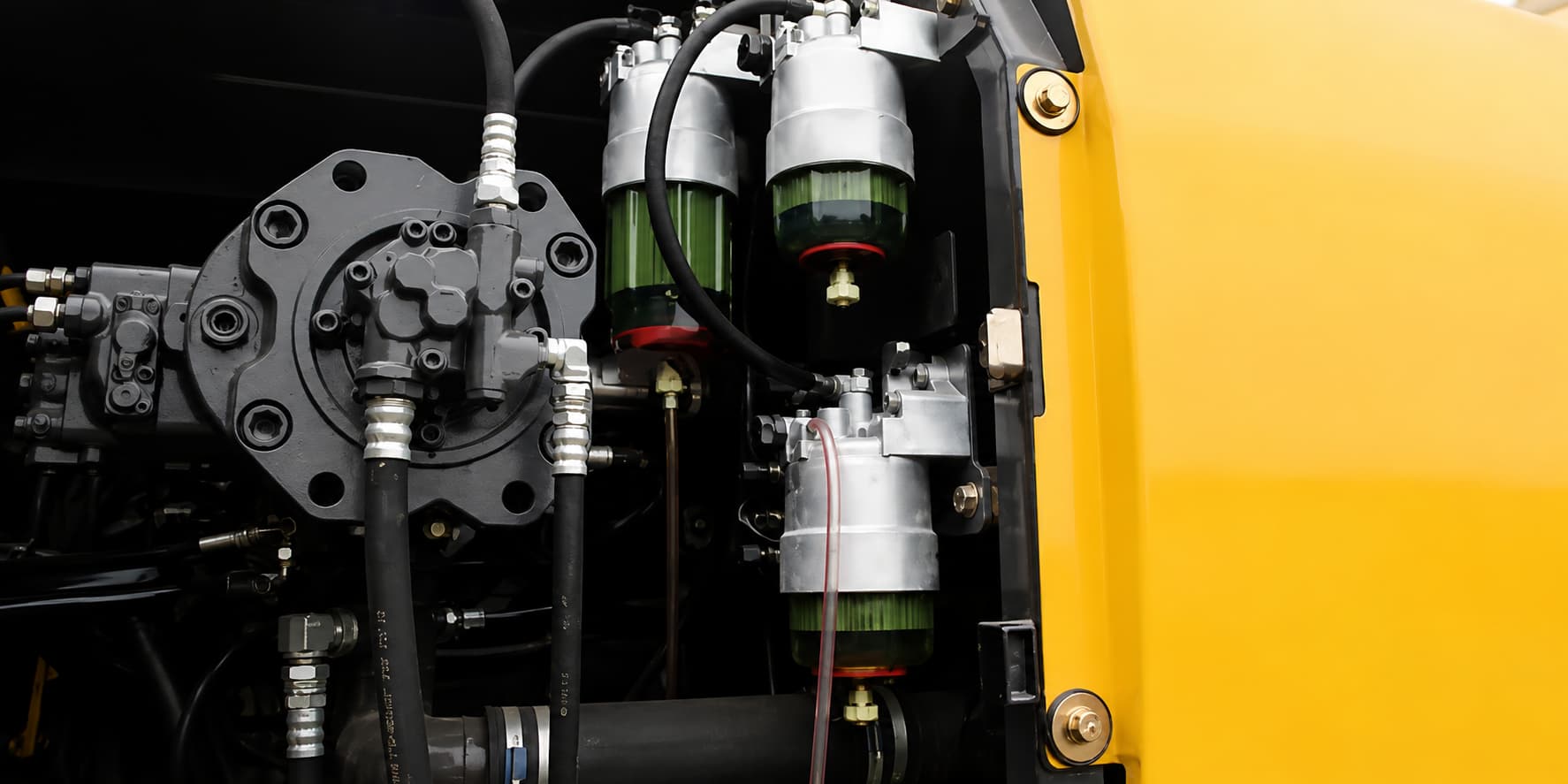
Rainy seasons significantly increase condensation inside fuel tanks.
This leads to higher water content in diesel systems, especially in oil-water separators.
If water is not drained regularly, it can enter high-pressure fuel pumps and injectors, causing corrosion of precision components.
For excavator fuel filter systems, this is one of the most expensive failure types.
In B2B maintenance practice, daily drainage of water separators is a simple but highly effective preventive step during wet seasons.
Engine Oil and Lubrication System: Risk of Emulsification
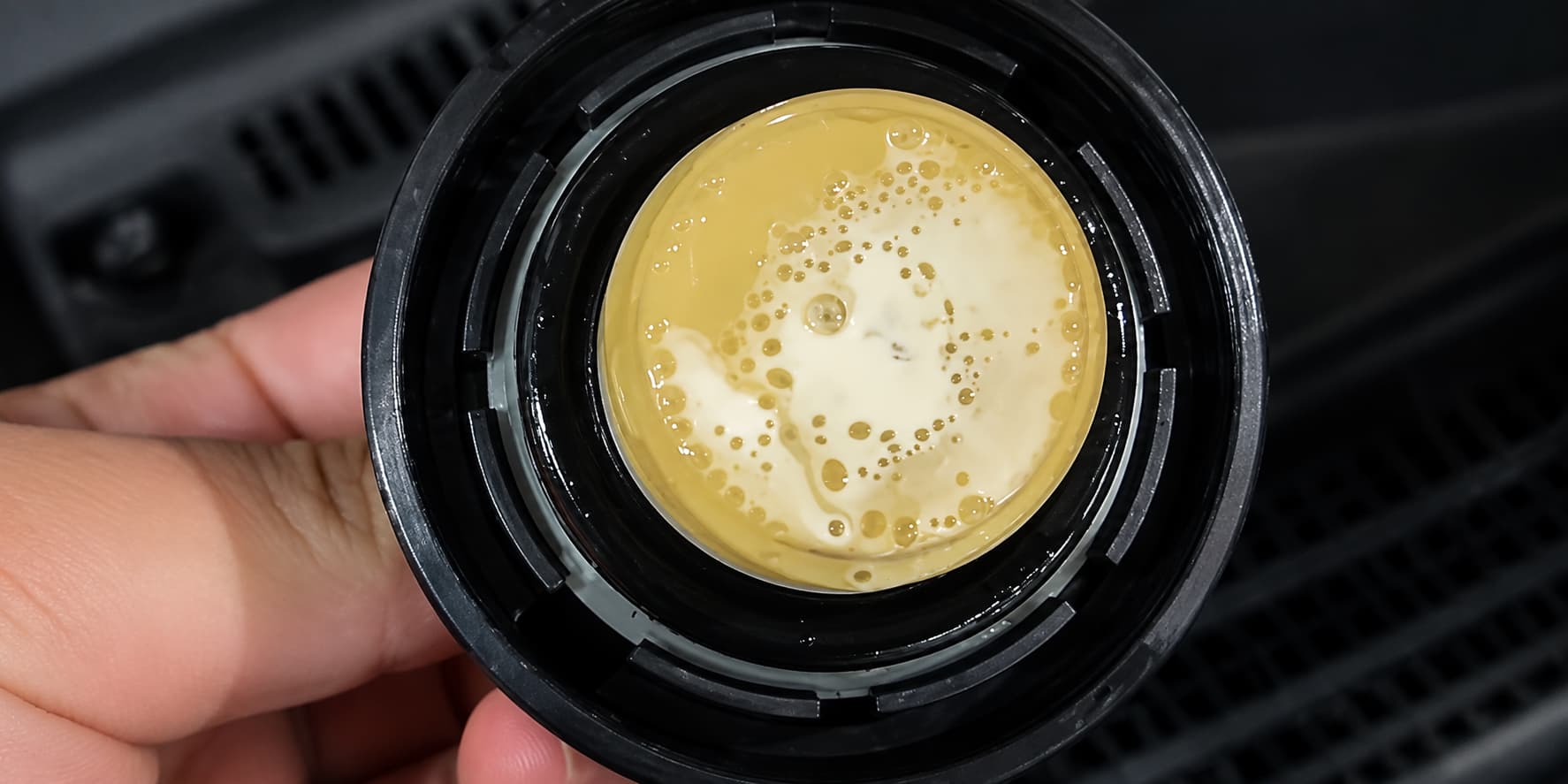
Engine oil systems are highly sensitive to water contamination.
During rainy seasons, improper sealing or external moisture ingress may lead to oil emulsification. Once engine oil turns milky or cloudy, its lubrication performance drops significantly.
This increases friction between moving parts and accelerates wear of internal components.
From a factory maintenance perspective, oil discolouration is already a late-stage warning signal. At this point, oil and filter replacement should be done immediately to avoid further damage.
Hydraulic System and Return Oil Contamination Risks
Hydraulic systems are the core working system of excavators, and also the most sensitive to water contamination.
High humidity or improper sealing of the hydraulic tank allows moisture to mix with hydraulic oil. Once water enters the system, it can cause emulsification, reduced lubrication performance, and accelerated wear of pumps and valves.
Even small amounts of water in hydraulic oil can gradually affect system stability.
In real construction environments, hydraulic system failures often begin with neglected sealing or delayed filter replacement.
Key Excavator Filters Affected During Rainy Season
Different filter types respond differently under high humidity conditions. The table below summarises their functions and main risks:
| Filter Type | Main Function | Rainy Season Risk | Recommended Action | Typical Maintenance Cycle |
|---|---|---|---|---|
| Air Filter | Filters dust and moisture from intake air | Moisture absorption, blockage, airflow restriction | Replace if damp or clogged | 10000–15000 km equivalent working hours |
| Fuel Filter | Removes water and impurities from diesel | Condensation water overload | Drain water daily | 20000–30000 km equivalent working hours |
| Engine Oil Filter | Filters impurities in lubrication system | Oil emulsification risk | Replace oil and filter if contamination occurs | 5000–10000 hours |
| Hydraulic Filter | Filters return and system oil contaminants | Water contamination, pump wear risk | Ensure sealing integrity | 500–1000 hours (100–300h with breaker) |
Maintenance Recommendations from an Excavator Filter Manufacturer
From a factory and aftermarket filter manufacturing perspective, most rainy season failures are not caused by sudden part defects, but by delayed maintenance cycles.
For construction equipment working in high-moisture environments, we recommend:
- shorten inspection intervals during rainy seasons
- Replace filters earlier if moisture is detected
- ensure hydraulic tank and air intake sealing integrity
- increase frequency of fuel water drainage
- Avoid high-pressure cleaning of air filter elements
These practices significantly reduce downtime and prevent secondary damage to pumps, injectors, and hydraulic components.
Conclusion
The rainy season introduces hidden but serious risks to excavator filtration systems.
Air, fuel, oil, and hydraulic filters all face increased stress under high humidity conditions.
Proper maintenance is not only about replacing parts, but about preventing moisture from entering key systems in the first place.