What is the role of filters in an excavator?
Excavator filters are essential components that protect the engine, fuel system, air intake, and hydraulic system from contamination. They ensure that air, oil, and fuel entering each system remain clean during operation. Without proper filtration, dust, water, and metal particles will circulate inside the machine and gradually cause internal wear and system failure.
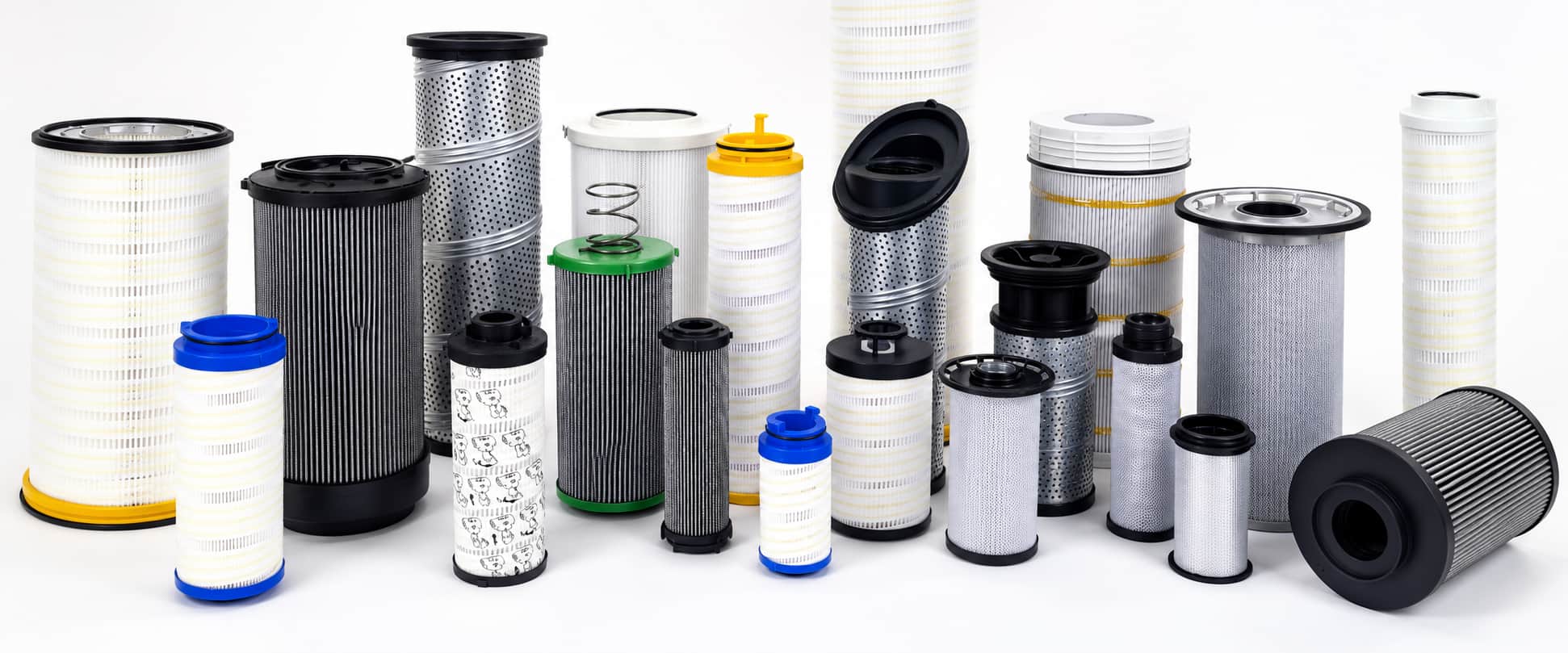
Most excavator failures are not caused by a single broken part. They are usually the result of long-term contamination that accumulates inside the system when filters are not maintained properly.
Engine filtration system (air, oil and fuel)
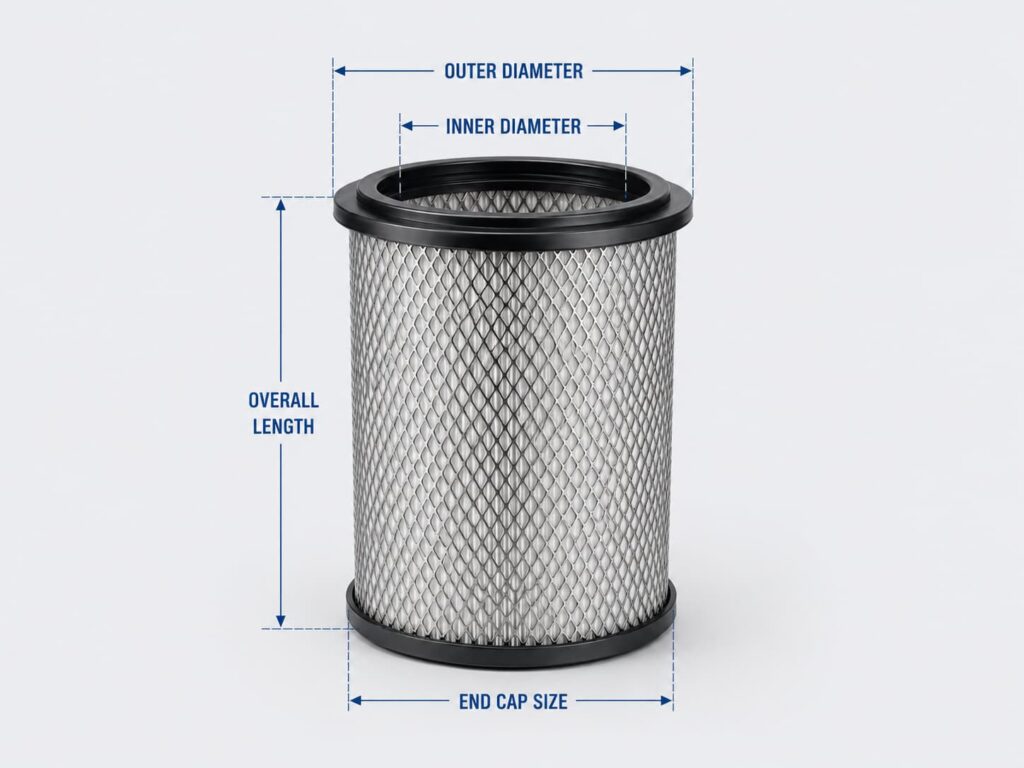
The air filter is responsible for cleaning the air entering the engine. Most excavators use a dual-stage structure with inner and outer filters. This design helps the engine work in dusty environments such as construction sites or mining areas. When the air filter becomes clogged, the engine receives less air, leading to reduced power, higher fuel consumption, and unstable combustion.
The engine oil filter works in the lubrication system. During engine operation, small metal particles and carbon deposits are generated naturally. The oil filter removes these impurities so clean oil can circulate between engine components. If the filter is not replaced in time, contamination increases internal friction and shortens engine life.
The fuel filter ensures a clean diesel supply to the engine. It often uses multi-stage filtration to remove water and impurities from fuel. When fuel is not clean, injectors are affected first, leading to poor combustion and difficulty starting the engine.
Hydraulic system filtration (core protection system)
The hydraulic system is the most sensitive part of an excavator because it directly controls machine movement and power output. It includes multiple filtration points, mainly pilot filtration, return filtration, and inlet filtration.
The hydraulic pilot filter ensures clean oil for the control system. It supports hydraulic valves that respond to operator commands. When this filter becomes contaminated, the machine’s response becomes slower and less precise.
The hydraulic return filter is installed at the upper part of the hydraulic oil tank. Its function is to filter oil returning from cylinders, motors, and valves. During operation, hydraulic components naturally produce fine wear particles, which are carried back through the oil flow. If the return filter is clogged, back pressure will increase inside the system. This leads to weak machine performance, higher oil temperature, and abnormal pump noise.
The hydraulic inlet filter protects the hydraulic pump by filtering oil before it enters the system. If this filter becomes blocked, the pump may suffer from cavitation, which reduces efficiency and increases the risk of internal damage.
The breather filter is installed on top of the hydraulic oil tank. It allows the tank to exchange air while preventing dust from entering the system. A damaged breather filter can allow external contamination into the hydraulic oil, even if internal filters are in good condition.
Maintenance intervals for excavator filters
Filter maintenance depends on working conditions. Under normal operation, most hydraulic filters, including pilot, return, and inlet filters,s are replaced every 500 to 1000 working hours. However, in heavy-duty conditions such as breaker (hammer) use, the contamination level increases significantly, and the replacement cycle should be shortened to 100 to 300 hours.
The table below summarises common maintenance intervals for different filters:
| Filter Type | Function | Maintenance Interval |
|---|---|---|
| Engine Oil Filter | Removes metal particles and carbon deposits from engine lubrication system to protect engine components. | 500–1000 hours |
| Fuel Filter | Removes water and impurities from diesel fuel to ensure stable combustion and protect injectors. | 500–1000 hours (depends on fuel quality) |
| Air Filter | Filters dust and particles from intake air to maintain engine efficiency and combustion stability. | Inspect regularly, replace based on working environment |
| Hydraulic Filters (Pilot / Return / Inlet) | Protect hydraulic system by filtering contamination in control oil, return oil, and pump inlet oil. | 500–1000 hours |
| Hydraulic Filters (Breaker / Heavy Duty Use) | Higher contamination conditions caused by breaker work increase system load and particle generation. | 100–300 hours |
Why filter maintenance is critical
Filter maintenance is not only about replacement. It directly affects the long-term stability of the machine. When filters are not changed on time, contamination begins to circulate inside the system. This leads to oil degradation, unstable pressure, and increased wear of hydraulic and engine components.
In most cases, hydraulic system failure does not happen suddenly. It develops slowly from small contamination problems that are ignored during maintenance. Over time, these issues accumulate and eventually cause system breakdowns and high repair costs.
Conclusion
Excavator filters work as a complete protection system for both engine and hydraulic systems. Each filter has a specific role, but all of them share one purpose: keeping the system clean and stable.
Correct filter selection and proper maintenance intervals are essential to extend machine life and ensure stable performance in different working conditions.