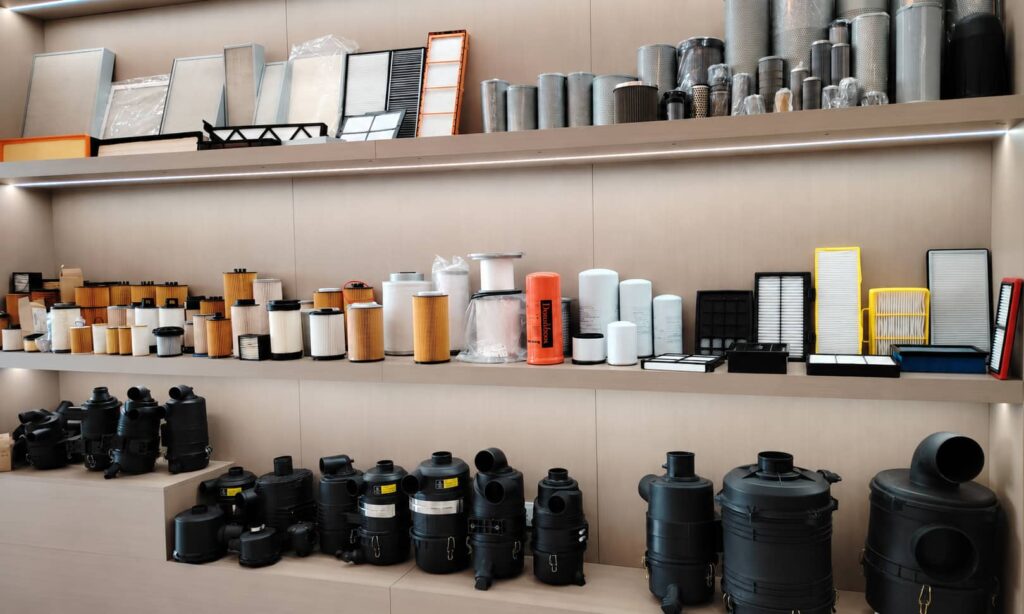
Vehicles use different filters to protect the engine, fuel system, air intake system, and cabin air system. The four common vehicle filters are the oil filter, fuel filter, air filter, and cabin filter.
Although they are all called “filters,” they are not the same. Each filter works in a different system, filters different contaminants, and has a different structure and replacement requirements. For replacement filter buyers, understanding these differences is important before confirming part numbers, dimensions, sealing structure, filter media, and application models.
Quick Comparison: Oil Filter, Fuel Filter, Air Filter and Cabin Filter
| Filter Type | Main Function | System Position | Common Replacement Interval |
|---|---|---|---|
| Oil Filter | Filters impurities, sludge, and metal particles from engine oil. | Engine lubrication system. | Usually replaced when changing engine oil, about every 5,000–10,000 km. |
| Fuel Filter | Filters impurities and water from fuel. | Fuel tank area, fuel line, or fuel system. | About every 20,000–30,000 km, depending on vehicle and use condition. |
| Air Filter | Filters dust and contaminants from intake air entering the engine. | Engine compartment, near the air intake pipe. | About every 10,000–15,000 km; more often in dusty environments. |
| Cabin Filter | Filters dust, pollen, smoke, and pollutants from cabin air. | HVAC system, often behind the glove box or near the cowl area. | About every 15,000–20,000 km; earlier in polluted environments. |
The replacement intervals above are general references. The final replacement time should be determined by the vehicle manual, engine condition, operating environment, and maintenance requirements.
What Is an Oil Filter?
An oil filter is used in the engine lubrication system. Its job is to filter impurities, dirt, sludge, carbon deposits, and metal particles from engine oil.
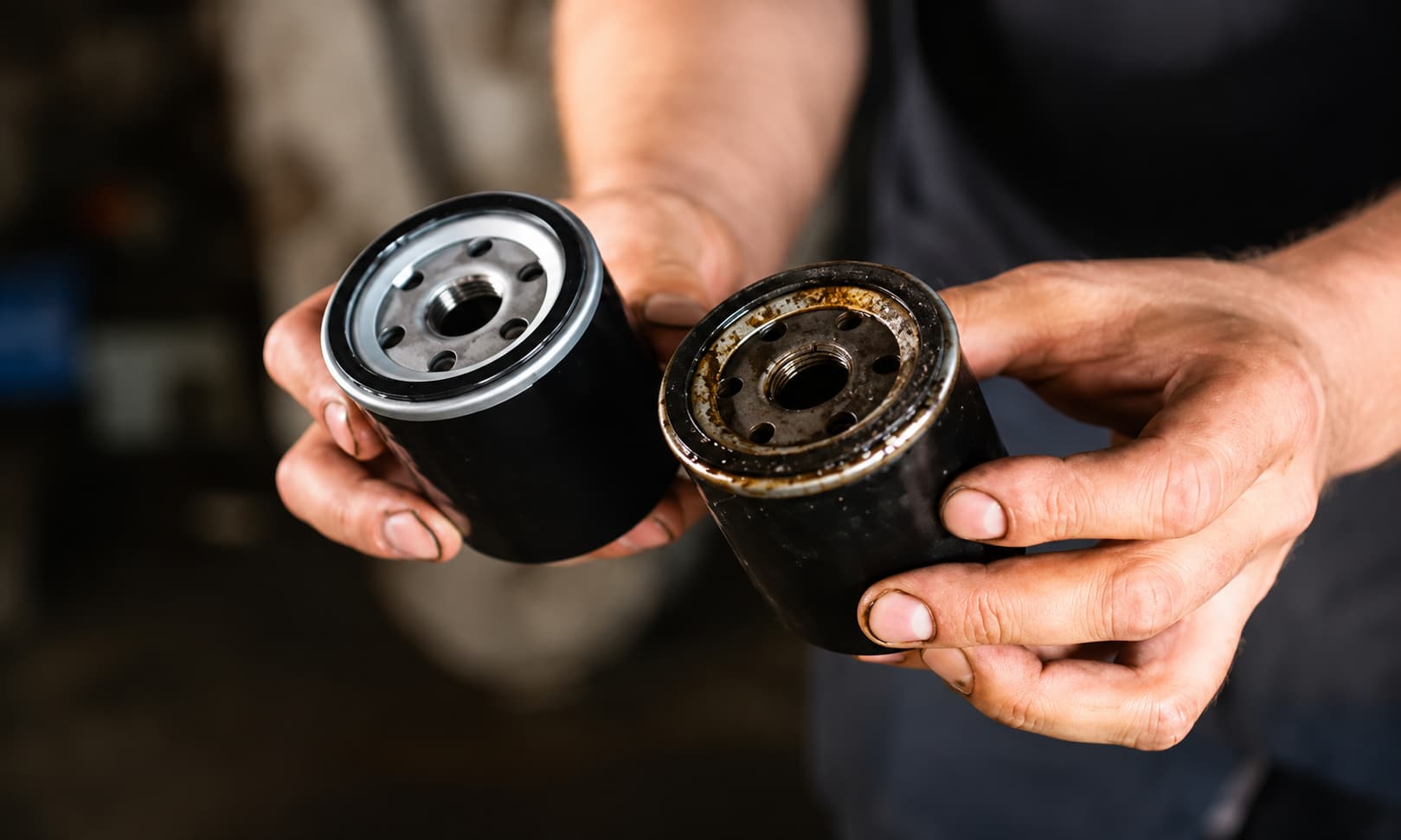
Engine oil circulates through the engine to lubricate moving parts and reduce friction. During operation, the oil may collect fine metal particles, high-temperature oxidation residues, carbon particles, and other contaminants. If these contaminants are not removed, they may block the oil passage, increase wear, and reduce engine life.
The oil filter is often described as the “kidney” of the engine because it continuously removes harmful contaminants from the engine oil.
Oil filters are usually installed in the main oil circuit at the outlet side of the oil pump. They are often located near the top of the engine or near the oil pan area. In many vehicles, buyers can find the oil filter by following the metal oil pipe or rubber oil hose and looking for a cylindrical filter component.
Common oil filter forms include spin-on oil filters and cartridge oil filter elements. When sourcing a replacement oil filter, buyers should confirm the OEM number, thread size, gasket size, outer diameter, height, bypass valve design, anti-drainback valve requirement, and application engine model.
What Is a Fuel Filter?
A fuel filter is used in the fuel system. Its function is to filter impurities and water from gasoline or diesel fuel before the fuel enters the combustion system.
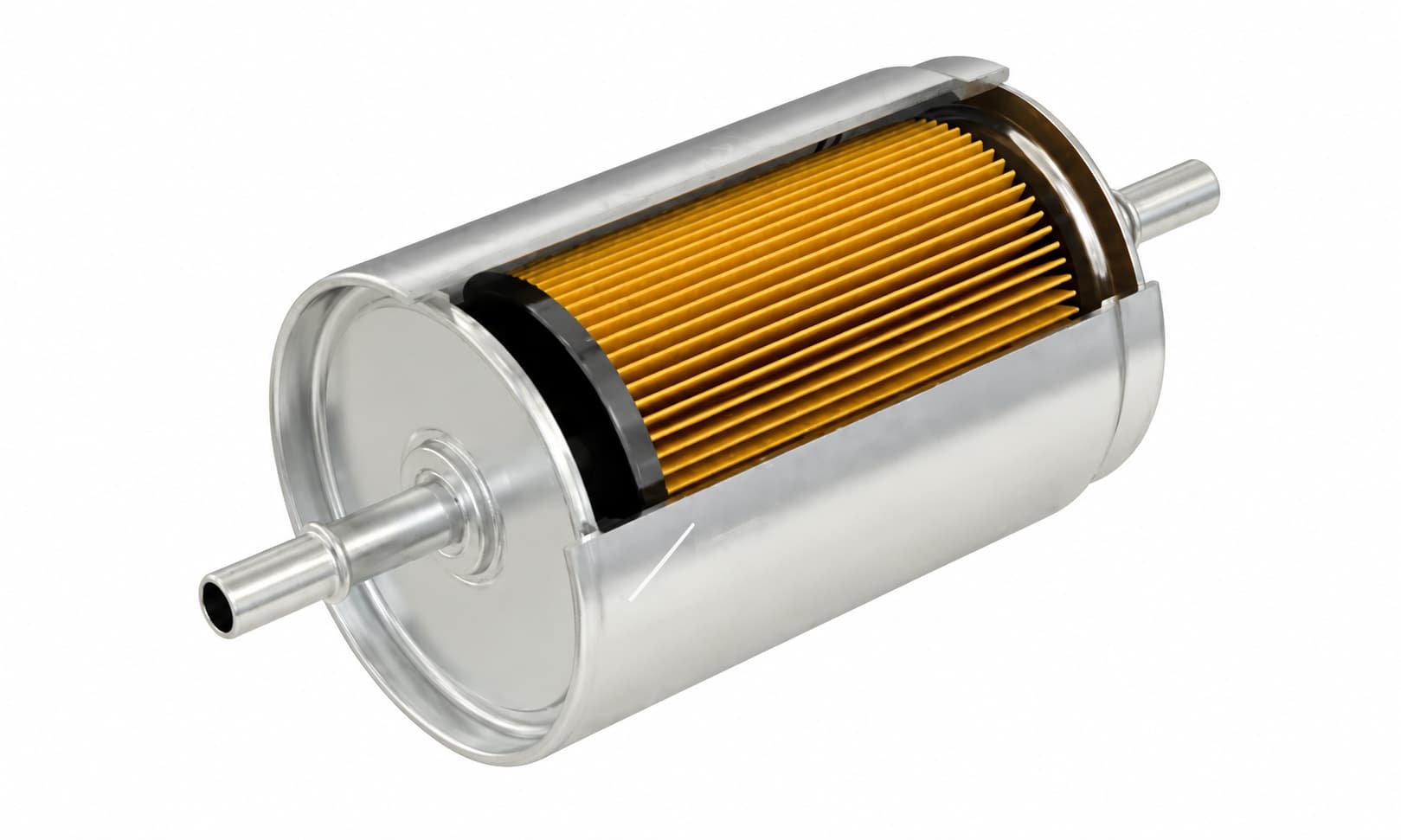
Fuel may contain fine particles, rust, water, or other contaminants during storage, transport, or operation. If these contaminants enter the fuel system, they may damage fuel injectors, fuel pumps, and other fuel system components. A blocked or unsuitable fuel filter may also cause poor fuel supply, engine hesitation, difficult starting, or unstable operation.
Fuel filters are generally located inside the fuel tank, outside the fuel tank, or on the fuel line in the engine compartment.
A fuel filter helps extend engine life by reducing contaminants entering the combustion chamber. It also helps reduce abnormal wear of the cylinder wall and piston rings, and it can prevent premature ageing of fuel system parts. In diesel applications, water separation may also be an important requirement.
For replacement filter sourcing, fuel filters require careful confirmation of fuel type, connection size, flow direction, installation position, sealing design, water separation structure, sensor port, drain plug, and compatible engine or vehicle model.
The common replacement interval is about every 20,000–30,000 km, but the exact time depends on the vehicle type, fuel quality, and operating condition.
What Is an Air Filter?
An air filter, also called an engine air filter, is used to filter the air entering the engine intake system.
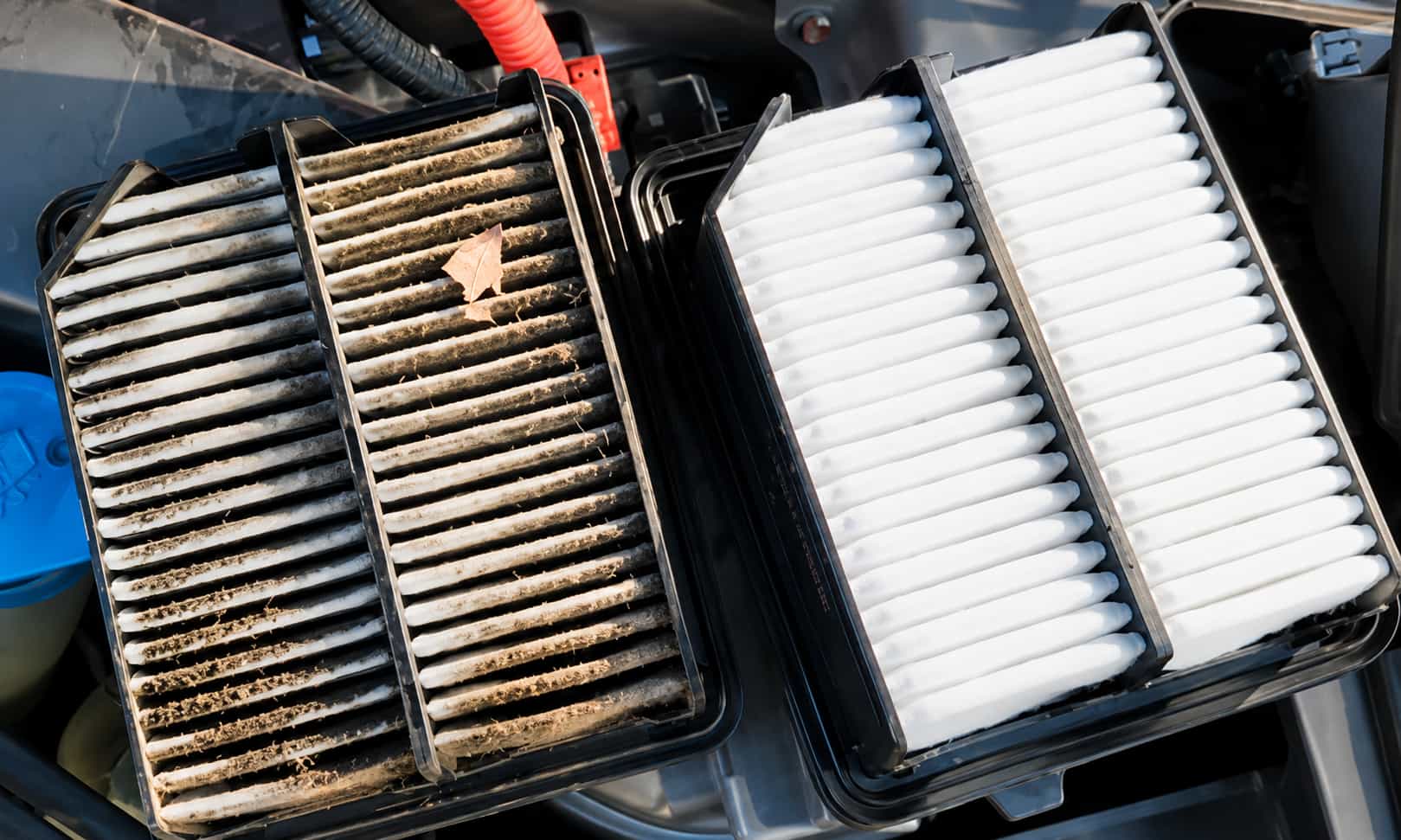
The engine needs clean air to mix with fuel for combustion. If dust, sand, and other airborne contaminants enter the engine, they may increase wear on the piston rings, cylinder wall, valves, and other metal parts. Poor air filtration may also affect the air-fuel ratio, causing the mixture to become too rich or too lean, reducing combustion efficiency and engine performance.
Air filters are usually installed in the engine compartment, close to the air intake pipe.
A clean air filter helps ensure that enough clean air enters the engine. It also helps protect engine components and maintain combustion efficiency. In dusty environments, such as construction sites, agricultural areas, mining sites, and unpaved roads, the air filter may need to be replaced more frequently.
The common replacement interval is about every 10,000–15,000 km. However, if the vehicle often works in dusty or sandy conditions, the replacement interval should be shortened.
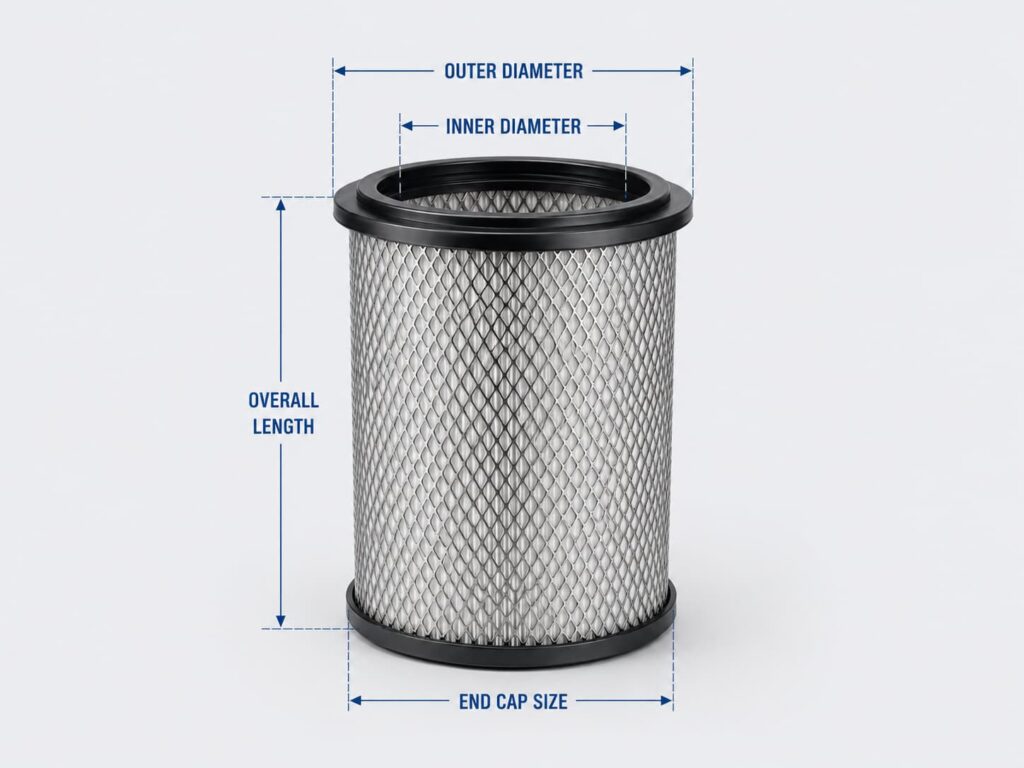
When sourcing replacement air filters, buyers should confirm the filter shape, length, width, height, sealing edge, filter media, pleat structure, and application model. Common structures include panel air filters, round air filters, and cylindrical air filter elements.
What Is a Cabin Filter?
A cabin filter, also called an air conditioning filter or HVAC filter, is used to filter the air entering the vehicle cabin.
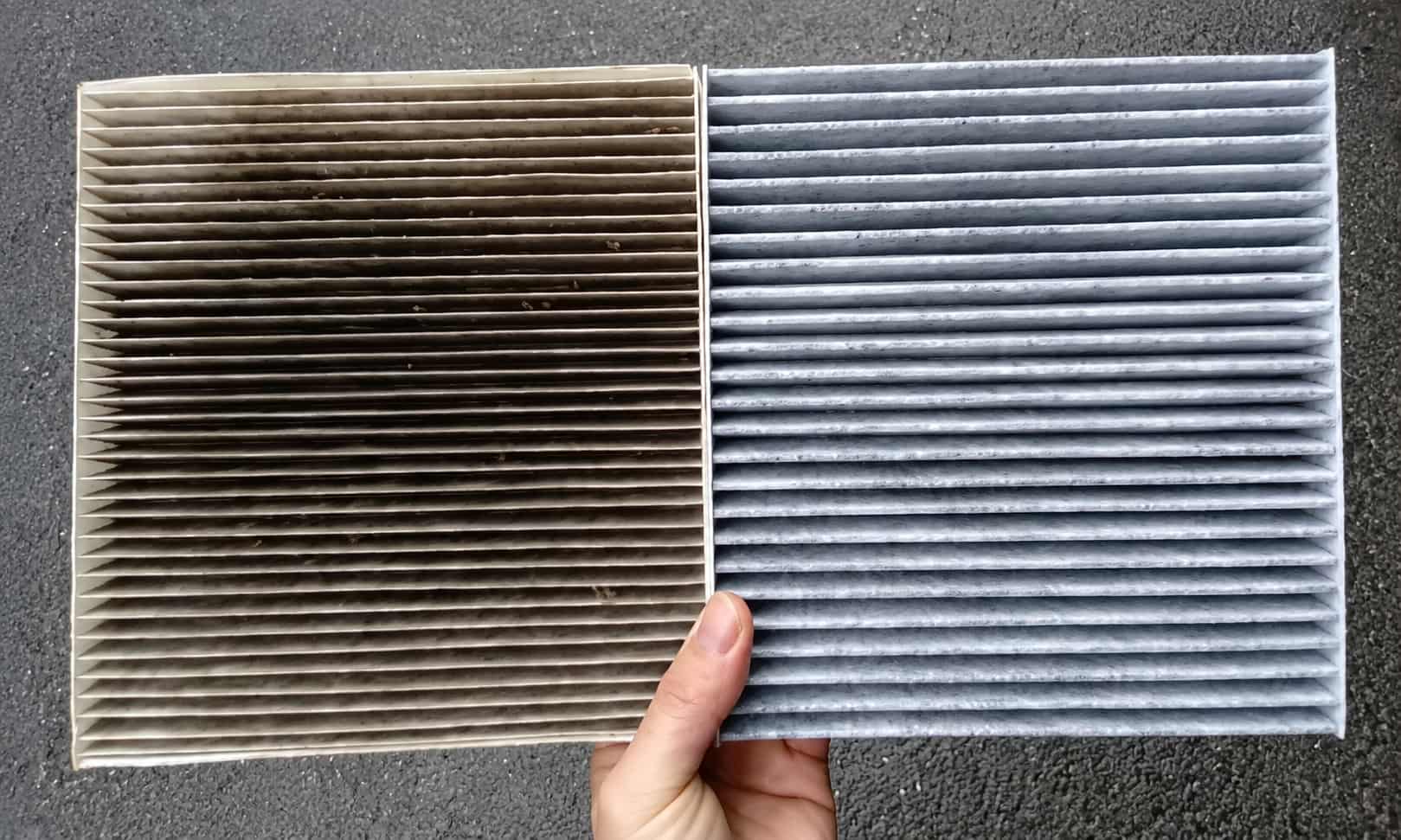
Unlike the engine air filter, the cabin filter does not filter the air used for engine combustion. It filters the air that enters the interior through the air conditioning and ventilation system.
Cabin filters help remove dust, pollen, smoke, fog particles, and other pollutants from the air inside the vehicle. They improve cabin air quality and provide a better driving experience, especially in polluted environments or allergy seasons.
Cabin filters also help protect the air conditioning system. They can reduce dust accumulation on the evaporator and help avoid reduced cooling efficiency. Since the evaporator is an important cooling component, cleaner airflow can help reduce blockage and system load. A dirty cabin filter may also increase blower noise or reduce airflow.
In most vehicles, the cabin filter is installed behind the glove box. In some models, it may be located near the water guide channel under the front windshield or inside the central console area.
The common replacement interval is about every 15,000–20,000 km. If the vehicle operates in areas with serious air pollution, dust, smoke, or pollen, the cabin filter should be replaced earlier.
For replacement sourcing, buyers should confirm the length, width, thickness, frame type, airflow direction, media material, and whether activated carbon or composite media is required.
Oil Filter vs Fuel Filter: What Is the Difference?
Oil filters and fuel filters are both used in fluid systems, but they are not interchangeable.
An oil filter works in the engine lubrication system. It filters contaminants from engine oil, including sludge, dirt, carbon deposits, and metal particles. Its main purpose is to keep engine oil clean and protect internal engine parts.
A fuel filter works in the fuel system. It filters contaminants and water from gasoline or diesel fuel. Its main purpose is to protect the fuel pump, fuel injector, combustion system, and related fuel components.
The two filters handle different fluids, different flow conditions, and different system requirements. Oil filters may need to consider oil viscosity, oil pressure, bypass valve design, and anti-drainback valve design. Fuel filters may need to consider fuel compatibility, water separation, flow direction, connection type, and sensor or drain structure.
Even if an oil filter and a fuel filter look similar from the outside, they should not be substituted without technical confirmation.
Air Filter vs Cabin Filter: What Is the Difference?
Air filters and cabin filters both filter air, but they serve different systems.
The engine air filter filters the air entering the engine. Its purpose is to protect engine components and support stable combustion. It is part of the engine intake system.
The cabin filter filters the air entering the vehicle interior. Its purpose is to improve cabin air quality and protect the air conditioning system. It is part of the HVAC system.
The engine air filter is related to engine performance, combustion efficiency, and component protection. The cabin filter is related to driver comfort, cabin cleanliness, HVAC airflow, and evaporator protection.
Because they are installed in different systems and designed for different purposes, an engine air filter cannot be used as a cabin filter, and a cabin filter cannot replace an engine air filter.
Why These Four Filters Cannot Be Used Interchangeably
The oil filter, fuel filter, air filter, and cabin filter have different filtration objects, working environments, and structural requirements.
An oil filter filters engine oil.
A fuel filter filters fuel.
An air filter filters engine intake air.
A cabin filter filters cabin air.
Their filter media, sealing structure, pressure resistance, flow direction, installation size, and working requirements are different.
For example, oil filters may need to withstand oil pressure and high-temperature engine oil. Fuel filters must be compatible with gasoline or diesel and may need water separation. Engine air filters must provide enough air volume while filtering dust. Cabin filters focus more on dust, pollen, smoke, odour, and cabin air quality.
For this reason, replacement filters should not be selected only by appearance. Buyers should confirm the correct filter type, OEM number, dimensions, material, sealing structure, and application model before ordering.
How to Confirm the Correct Replacement Filter
For replacement filter buyers, the first step is to identify which system the filter belongs to. After confirming whether it is an oil filter, fuel filter, air filter, or cabin filter, the next step is to confirm the technical details.
Important information includes:
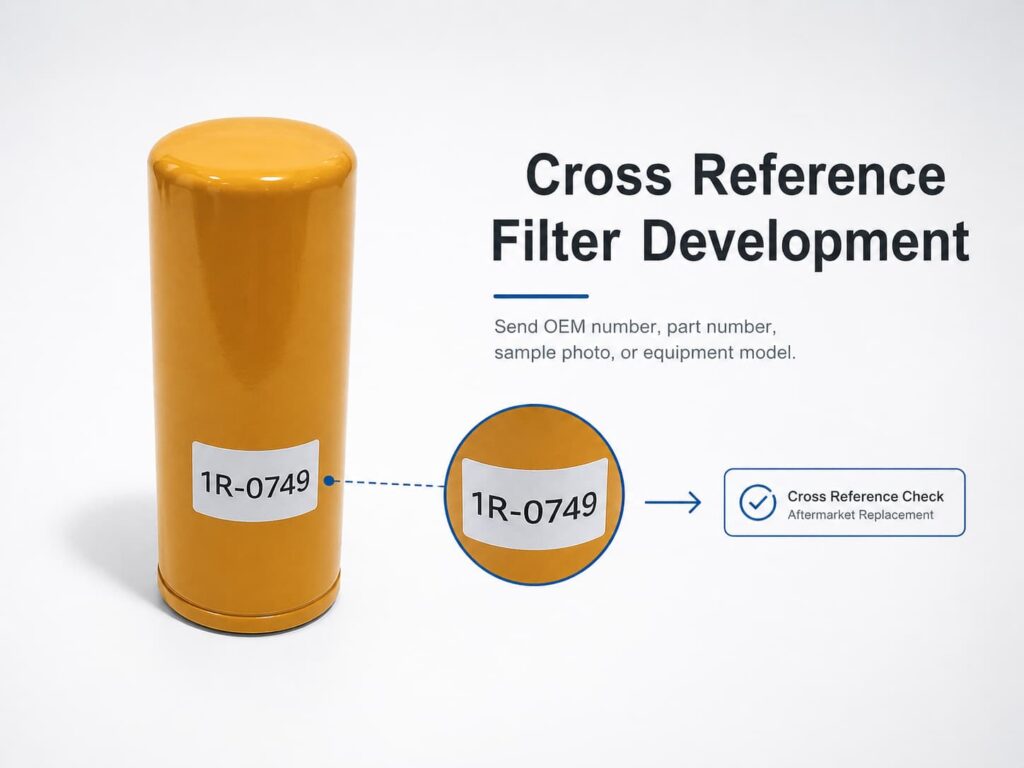
- OEM number or cross-reference number
- Vehicle brand and model
- Engine model
- Filter type
- Overall dimensions
- Thread size or connection type
- Gasket or sealing size
- Filter media requirement
- Flow direction
- Installation position
- Working environment
- Sample photos or drawings
For oil filters, buyers should pay attention to thread size, gasket size, bypass valve, and anti-drainback valve.
For fuel filters, buyers should check connection ports, flow direction, fuel compatibility, water separation design, and sensor or drain structure.
For air filters, buyers should confirm the shape, pleat structure, sealing edge, media type, and dust-holding requirement.
For cabin filters, buyers should confirm size, airflow direction, frame design, and whether standard media or activated carbon media is required.
Summary
Oil filters, fuel filters, air filters, and cabin filters all protect important vehicle systems, but they are designed for different functions.
The oil filter protects the engine lubrication system by filtering impurities from engine oil.
The fuel filter protects the fuel system by filtering fuel contaminants and water.
The air filter protects the engine intake system by filtering dust from the air entering the engine.
The cabin filter improves cabin air quality and protects the air conditioning system.
When sourcing replacement filters, buyers should not choose filters solely by shape or approximate size. Correct matching requires confirming part numbers, system type, dimensions, sealing structure, media material, and application conditions.
LSX Filter supports replacement filter development based on part number, sample, drawing, dimensions, material, and application requirements. If you need to source oil filters, fuel filters, air filters, cabin filters, or other custom filter elements, clear technical confirmation can help reduce matching errors before production.
FAQ About Oil Filters, Fuel Filters, Air Filters and Cabin Filters
These questions help buyers understand the basic differences between common vehicle filters and avoid choosing replacement filters only by appearance.
Are oil filters and fuel filters the same?
No. Oil filters work in the engine lubrication system and filter contaminants from engine oil. Fuel filters work in the fuel system and filter impurities and water from gasoline or diesel fuel. They have different structures and cannot be used interchangeably.
What is the difference between an air filter and a cabin filter?
An air filter filters the air entering the engine for combustion. A cabin filter filters the air entering the vehicle interior through the HVAC system. The air filter protects the engine, while the cabin filter improves cabin air quality and protects the air conditioning system.
How often should an oil filter be replaced?
An oil filter is usually replaced together with engine oil. A common reference interval is about every 5,000–10,000 km, but the final replacement time should follow the vehicle manual and actual operating conditions.
How often should a fuel filter be replaced?
A common reference interval for a fuel filter is about every 20,000–30,000 km. However, the actual replacement time depends on the vehicle model, fuel quality, engine condition, and working environment.
How often should an engine air filter be replaced?
An engine air filter is commonly replaced about every 10,000–15,000 km. If the vehicle often operates in dusty, sandy, construction, agricultural, or heavy-duty environments, it should be checked and replaced more frequently.
How often should a cabin filter be replaced?
A cabin filter is commonly replaced about every 15,000–20,000 km. In areas with heavy pollution, dust, smoke, or pollen, it may need to be replaced earlier to maintain cabin airflow and air quality.
Can these filters be selected only by appearance?
No. Similar appearance does not mean the filters are interchangeable. Buyers should confirm the OEM number, dimensions, sealing structure, media material, connection type, flow direction, and application model before selecting a replacement filter.