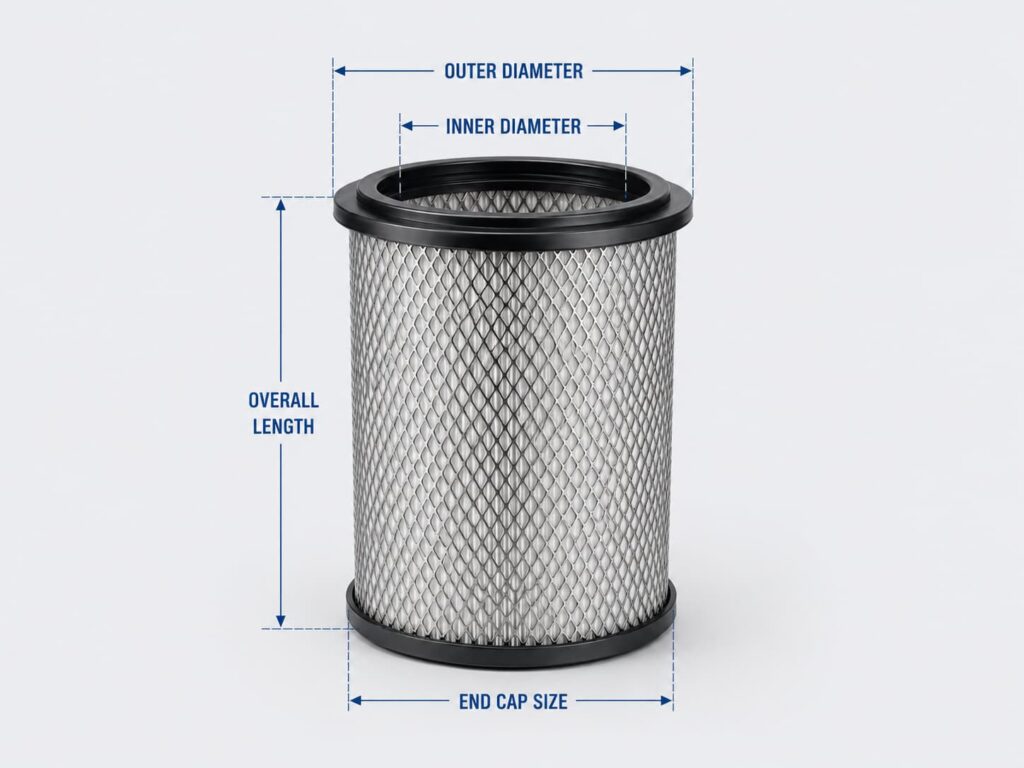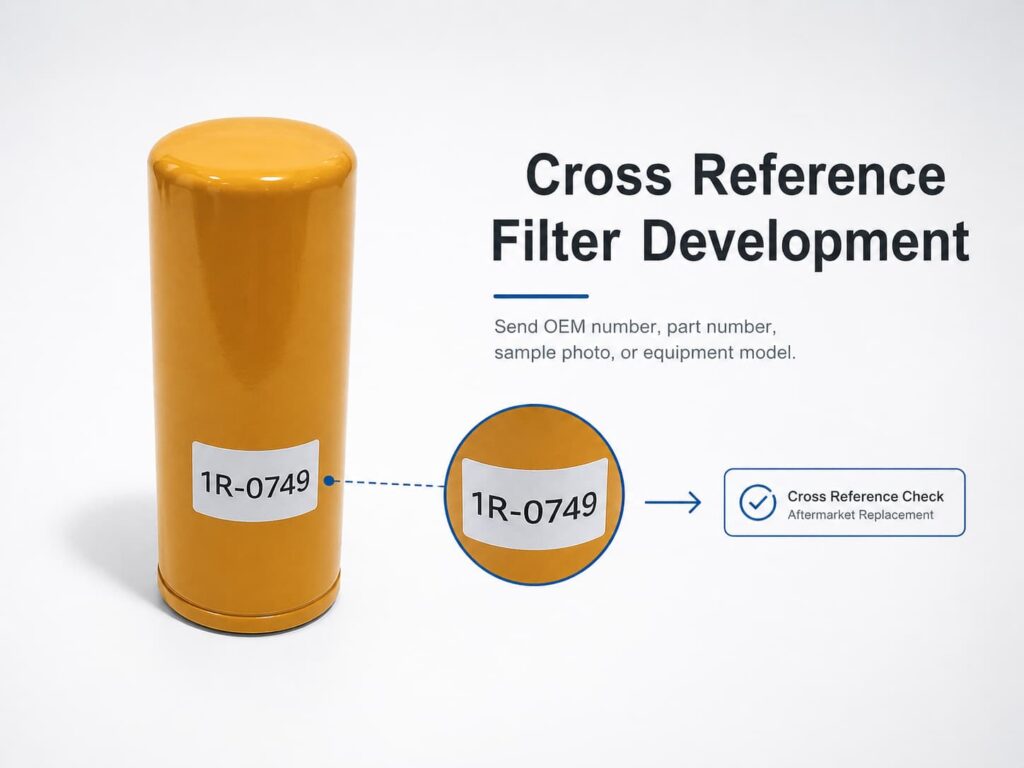
A hydraulic return filter is a critical but often underestimated component in excavator hydraulic systems. It is responsible for filtering contaminants in the return oil flow before the hydraulic oil re-enters the tank.
During continuous operation of hydraulic systems, components such as hydraulic cylinders, motors, and valves generate metal particles and wear debris. These contaminants mix with hydraulic oil and circulate within the system.
The return filter is installed on the return line to capture these contaminants before they re-enter the oil tank.
Without a properly functioning return filter, contaminants continuously circulate in the hydraulic system, accelerating wear and reducing overall system reliability.
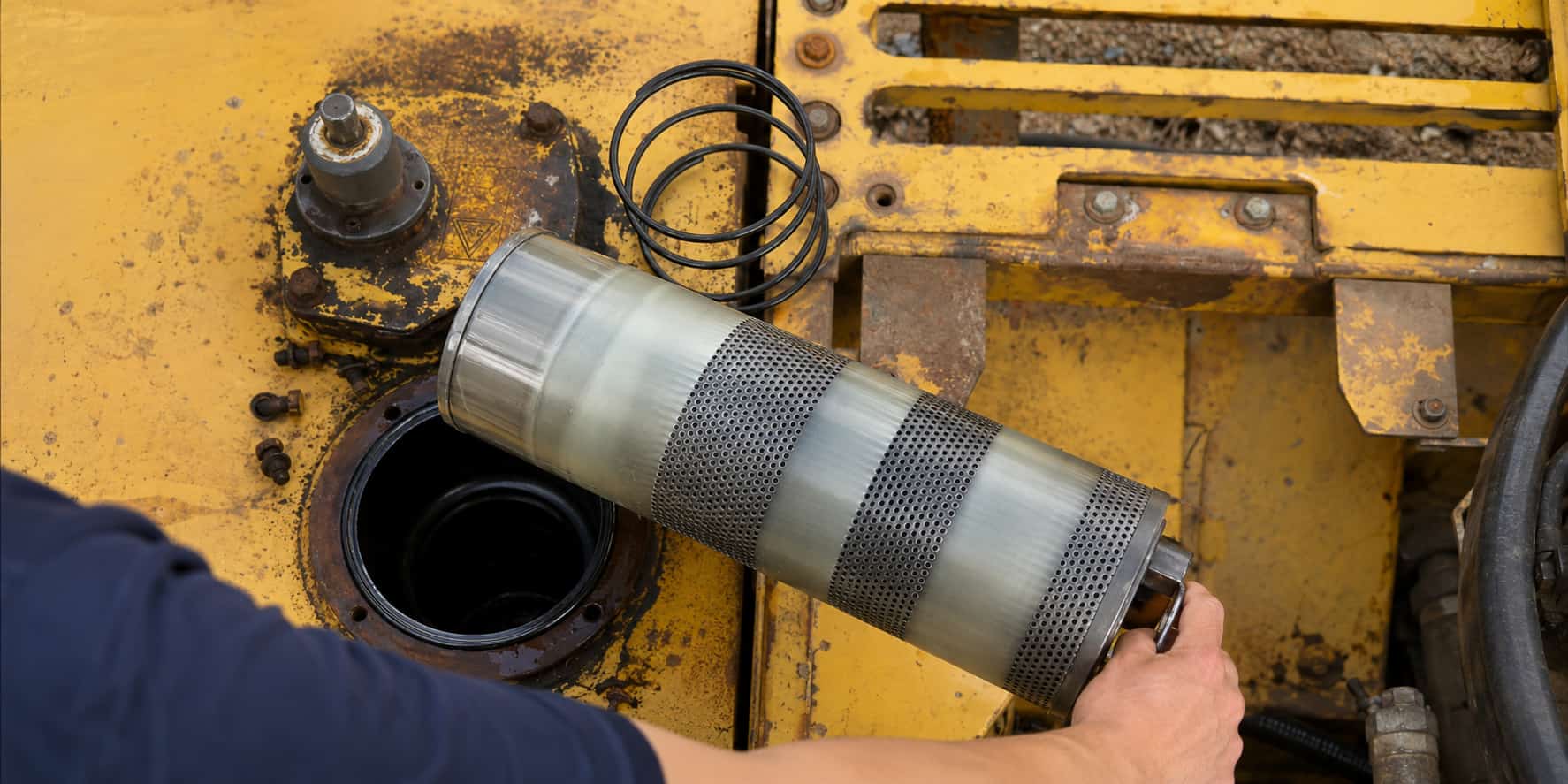
What Is a Hydraulic Return Filter?
The hydraulic return filter is installed in the return oil pipeline of the hydraulic system. Its main function is to filter contaminants, metal particles, and debris carried back from hydraulic components.
In excavators and construction machinery, it is typically located in the return circuit before the hydraulic oil tank.
Its purpose is to ensure that only clean hydraulic oil returns to the reservoir, maintaining system cleanliness and protecting downstream components.
Why the Hydraulic Return Filter Is Often Ignored
Compared with engine filters or fuel filters, the hydraulic return filter is often overlooked because:
- It is not directly visible during daily maintenance
- It is not replaced as frequently as oil or fuel filters
- Its failure symptoms are often mistaken for pump or system issues
However, in hydraulic systems, contamination control is highly dependent on the return filtration stage.
What Happens When the Return Filter Becomes Clogged or Fails?
When the return filter becomes saturated or blocked, the hydraulic system begins to experience a chain of failures:
- Contaminants return to the oil tank
- Hydraulic oil becomes continuously polluted
- System back pressure increases
- Oil return flow becomes restricted
- A hydraulic pump may experience suction issues and abnormal noise
- The whole machine operation becomes slow and weak
- The hydraulic oil temperature increases abnormally
In severe cases, system efficiency drops significantly, and hydraulic components experience accelerated wear.
Why Back Pressure Is a Critical Issue
A clogged return filter restricts oil flow in the return line, causing back pressure to rise inside the hydraulic system.
This leads to:
- Pump cavitation or suction instability
- Increased mechanical noise from hydraulic pumps
- Reduced volumetric efficiency
- Heat buildup in hydraulic oil
Over time, this condition significantly reduces the lifespan of the hydraulic system.
Typical Replacement Interval
Under normal working conditions, the hydraulic return filter should be replaced approximately:
Every 500 working hours
However, replacement frequency may vary depending on:
- Working environment (dusty construction sites require shorter cycles)
- Oil contamination level
- Machine workload intensity
- Hydraulic system condition
Delayed replacement often results in clogging, back pressure increase, and reduced system performance.
Common Symptoms of a Clogged Return Filter
Operators and maintenance teams may observe the following signs:
- Slow hydraulic response
- Weak or delayed machine movement
- Abnormal hydraulic pump noise
- Increased hydraulic oil temperature
- Reduced overall system efficiency
These symptoms are often mistaken for pump failure, but in many cases, the root cause is a saturated return filter.
System Function of the Return Filter in Excavators
The hydraulic return filter plays a key role in:
- Removing wear debris from hydraulic oil
- Preventing contaminants from entering the oil tank
- Protecting hydraulic pumps and valves
- Maintaining stable system pressure
- Extending overall hydraulic system life
In excavators, the return filter directly affects system reliability and operational stability.
Why It Matters for Hydraulic System Lifespan
Hydraulic oil is continuously circulated in a closed-loop system. If contamination is not properly controlled at the return stage, the entire system becomes a cycle of progressive wear.
A properly functioning return filter:
- Reduces internal component wear
- Maintains oil cleanliness
- Prevents premature pump and valve failure
- Stabilises hydraulic system performance
This makes it a key consumable part in a heavy machinery maintenance strategy.
Conclusion
The hydraulic return filter is a critical protection component in excavator hydraulic systems. Although often overlooked, its condition directly affects system cleanliness, hydraulic pump performance, and overall machine efficiency.
A clogged or degraded return filter can lead to:
- Increased system back pressure
- Hydraulic pump noise and suction issues
- Slow machine movement
- Elevated oil temperature
- Accelerated component wear
For stable hydraulic system operation, regular inspection and timely replacement of the return filter are essential.