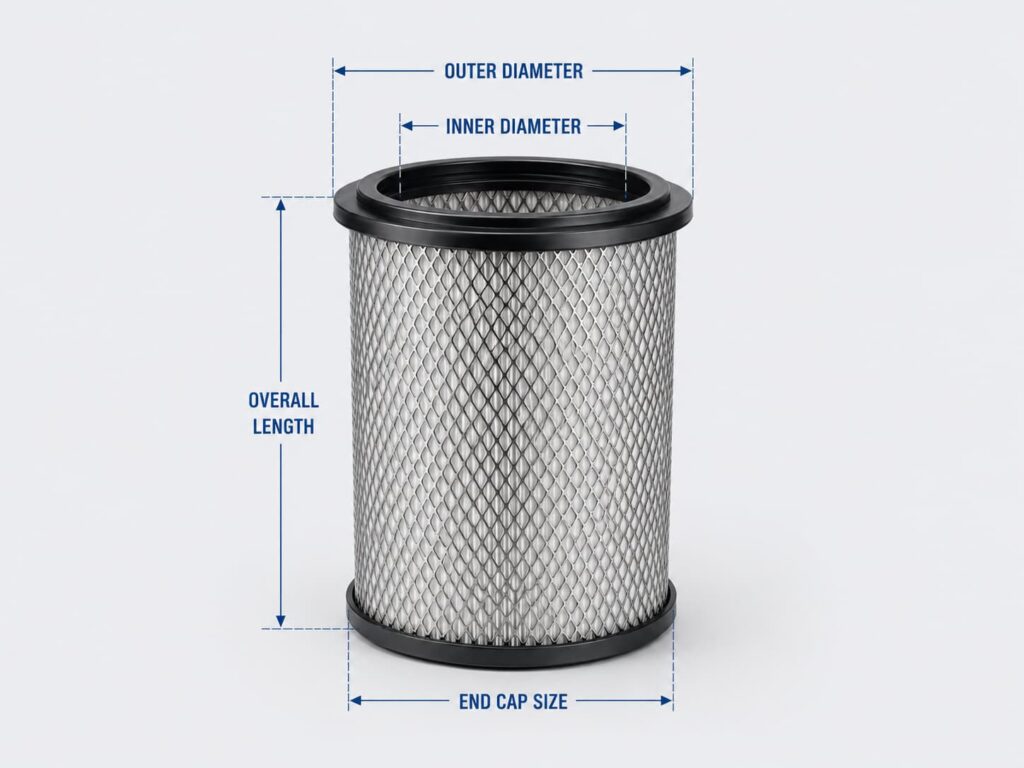
Engine oil filters are critical parts of an engine lubrication system. They remove contaminants from circulating oil, helping reduce wear on moving components and supporting the service life of both the oil and the engine.
Reliable performance depends on more than the filter media. An engine oil filter requires accurately formed metal parts, a stable filter element, correctly assembled valves, secure bonding, and a sealed housing. A weakness in any of these areas can affect oil flow, filtration, or leak resistance.
For industrial buyers, understanding the process makes supplier evaluation more practical. The objective is to identify which components and controls determine consistent performance.
What Are the Main Components of an Engine Oil Filter?
A typical spin-on engine oil filter contains several parts that work as one system. Their exact designs and materials depend on the application.
The filter housing is the outer metal shell. It protects the element and must match the base plate and sealing design.
The filter media captures contaminants from the lubricating oil. It is formed into pleats to provide more filtration area within the limited space inside the housing. Media selection and pleat construction influence filtration performance, dirt-holding capacity, oil-flow resistance, and structural stability.
The center tube is a perforated metal tube installed inside the pleated media. It supports the element and provides an oil-flow path. The perforations must allow flow while the formed tube must provide sufficient support under operating pressure.
The end caps hold the media and center tube together. Adhesive bonds the media to the caps and helps prevent oil from bypassing the filter element through unintended gaps.
The anti-drainback valve controls reverse oil movement when the engine stops. Its design and sealing condition affect oil retention.
The bypass valve provides an alternative oil-flow path under specified conditions when flow through the filter element is restricted. Its spring and valve assembly must be installed correctly because valve operation affects the balance between oil supply and filtration protection.
The sealing gasket is installed at the filter base. It creates the external seal between the filter and mounting surface. Correct material, dimensions, installation, and retention are important for leak prevention.
Engine Oil Filter Manufacturing Process
Metal Component Forming
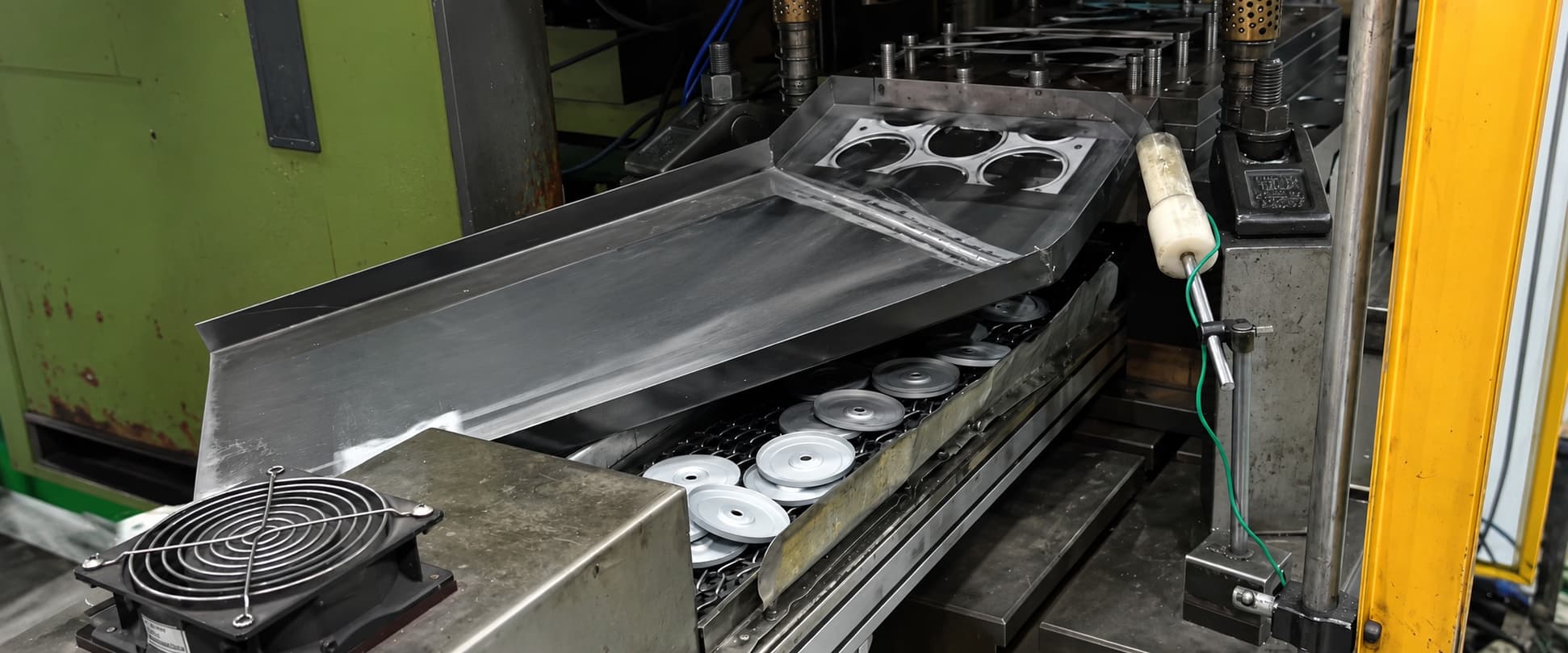
Oil filter production begins with metal components. In the referenced production method, galvanized steel coils are used to produce parts such as end caps and the perforated center tube.
End caps are formed from steel sheet through multiple stamping operations. This creates the required recessed shape and center opening. The forming process must maintain dimensional accuracy so the caps align with the media, center tube, valve assembly, and final housing.
The center tube begins as flat galvanized steel. Rows of closely spaced holes are punched into the sheet. Grooves are then formed to support later rolling, after which the material is cut to size and made into a cylindrical tube.
Metal forming affects fit and structural reliability. Incorrect end-cap dimensions can interfere with bonding, while poor center-tube geometry can reduce support or disrupt flow. Suppliers should control stamping, perforation, rolling, and part dimensions consistently.
Valve Assembly and Welding
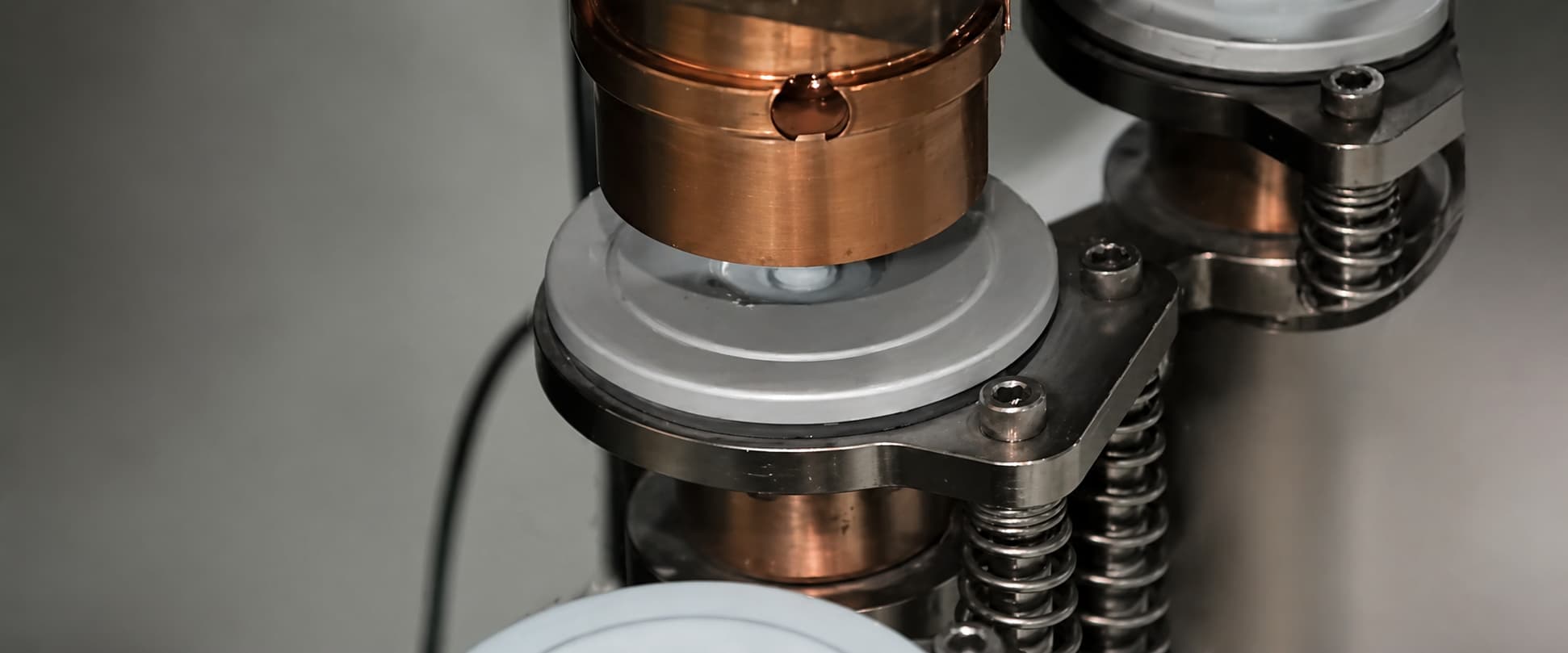
The valve system is assembled as part of the upper end-cap structure in the referenced process. The valve cover, spring components, and upper cap are positioned together. After the spring assembly is confirmed, the cap and valve cover are welded into one assembly.
Correct spring placement and welding are important. A misplaced component can interfere with bypass operation, while an unstable weld can weaken the assembly. Date marking supports traceability.
The anti-drainback valve is installed later at the filter base. Although the two valves serve different purposes, both affect oil-flow control. Their dimensions, direction, seating, and function must match the application.
Filter Media Pleating and Element Production
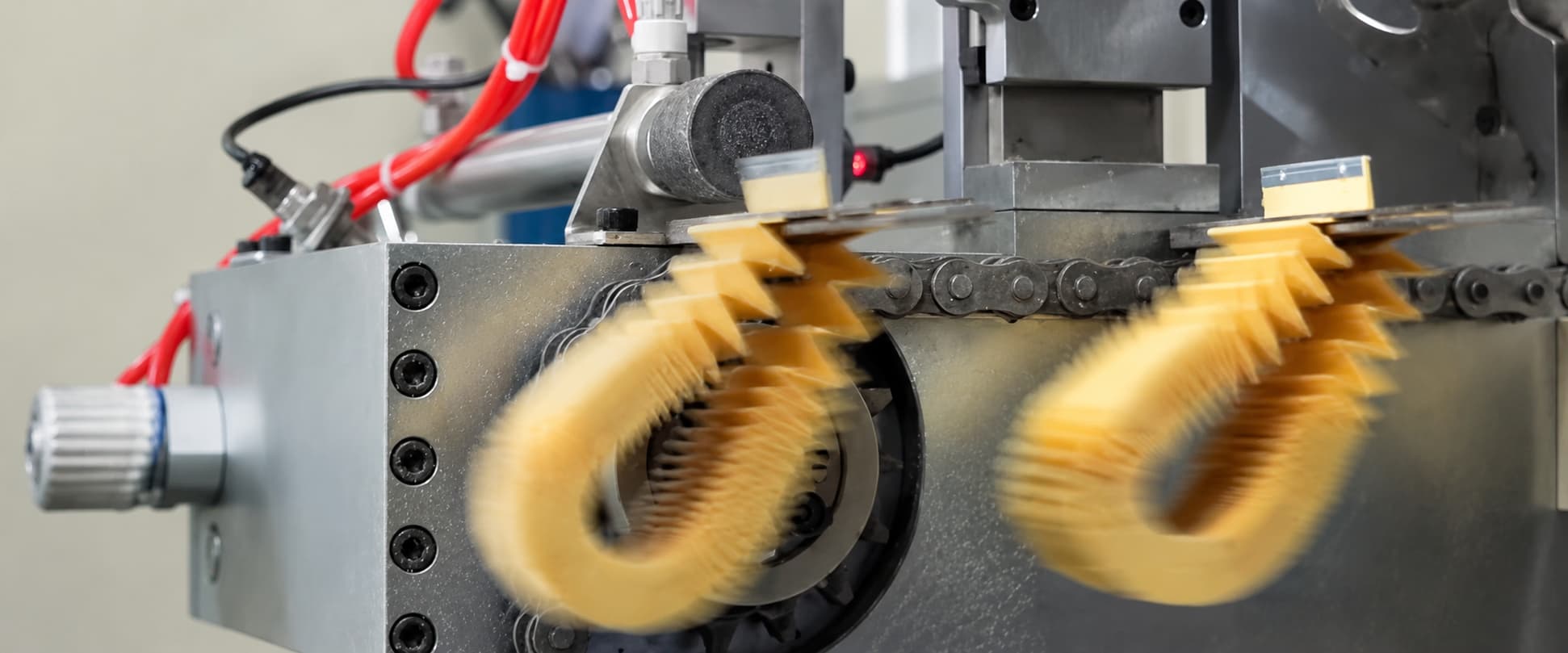
The media-converting process begins by cutting a large roll of filter paper into the required width. The media is then embossed and folded into a series of pleats. After pleat formation, curing stabilizes the pleated shape before the material is cut to the required length.
The two ends of the pleated strip are joined with a metal clip to create a circular element. This joint must be secure and properly aligned because it completes the filtration cylinder.
Pleats increase effective filtration area within a compact housing. Their number, depth, spacing, and stability affect how the media uses the available space.
Uneven or collapsed pleats can reduce usable area and create irregular oil-flow paths. Pleats packed too tightly may not use the media effectively, while insufficient pleat support may reduce pressure resistance. Consistent pleating helps balance filtration area, dirt-holding capacity, flow, and structural reliability.
Media must also match the application. Good pleating cannot compensate for an unsuitable media specification.
Filter Element Assembly
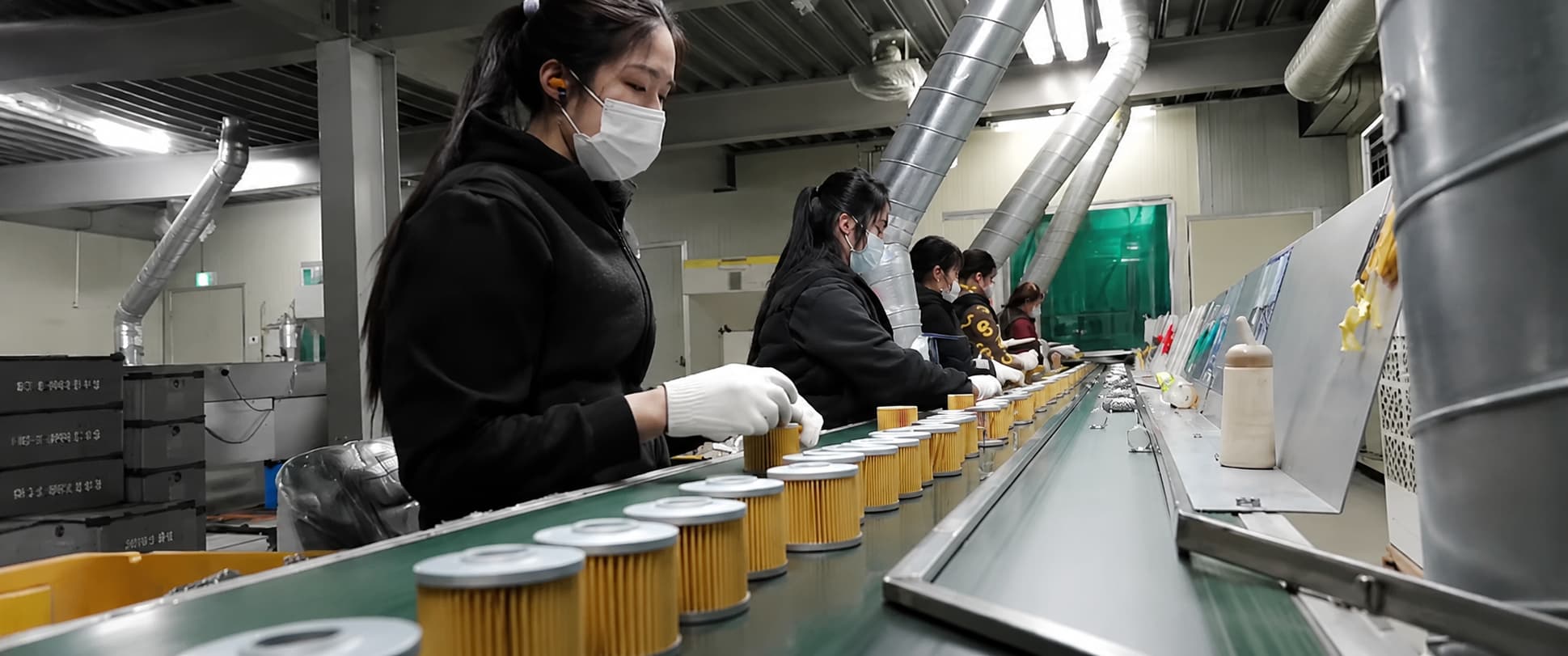
During element assembly, the perforated center tube is inserted inside the circular pleated media. The media and tube are then joined to adhesive-coated end caps.
The lower cap, pleated media, center tube, and upper cap with the welded bypass-valve assembly form the internal filter element. Alignment is important because the center tube must support the media and the end caps must seal the media edges.
Controlled heating or curing bonds the media securely to the end caps. This bond must prevent oil from passing around the media through gaps.
Controls include adhesive placement, alignment, curing conditions, and bond integrity. Insufficient adhesive or incomplete curing can weaken sealing, while poorly controlled adhesive may obstruct media or flow.
Final Housing Assembly
In final assembly, the completed filter element is positioned on the base plate fitted with the anti-drainback valve. A spring or elastic retaining plate is placed above the element to maintain its position inside the housing.
The outer shell is then installed over the internal assembly. A seaming or crimping process rolls the edge of the base plate around the housing edge, joining the two parts and forming the filter body.
The element must remain seated, the valve positioned correctly, and the retaining part properly supported. The housing seam must be consistent to prevent leakage or separation.
Crimping quality cannot be judged only by appearance. Seam consistency, dimensions, gasket interface, and leak inspection matter.
Printing, Inspection and Packaging
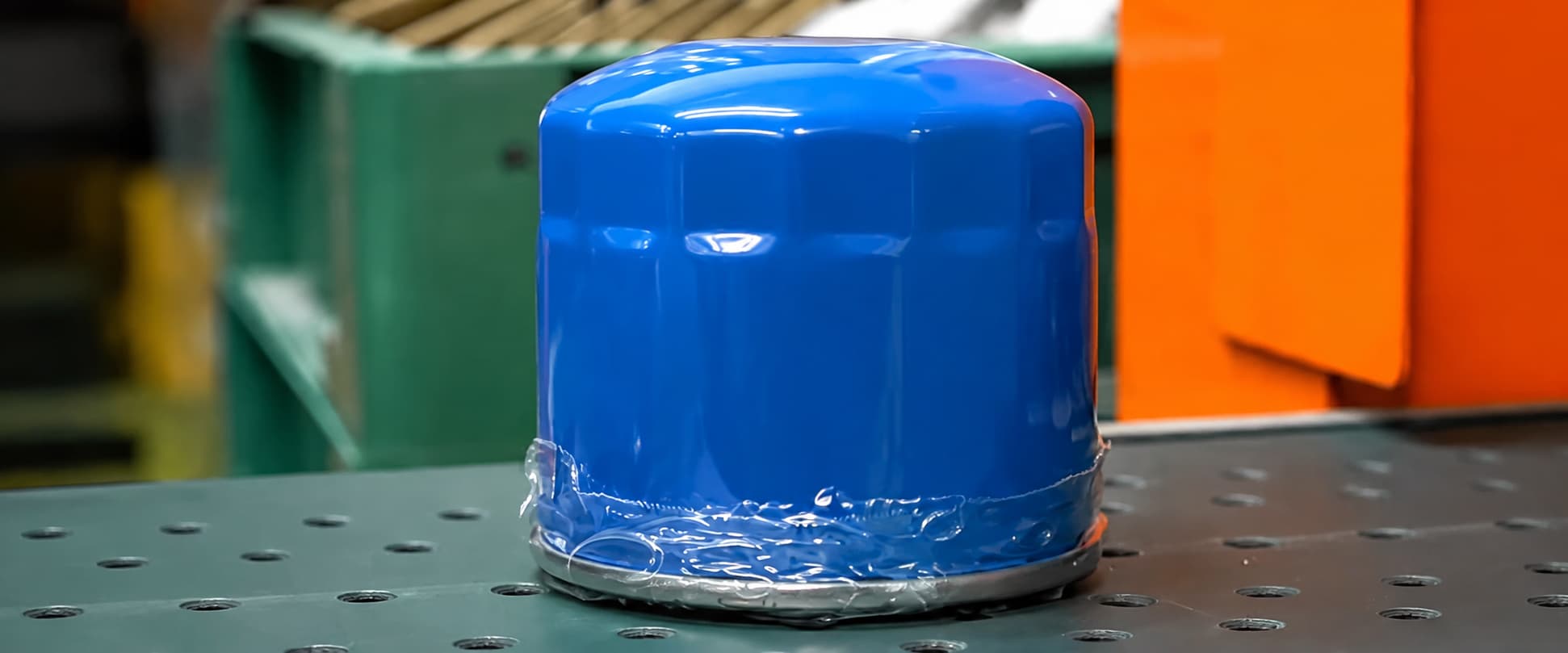
After assembly, the filter housing is marked with brand and product information. In the referenced process, the printed marking passes through UV curing so it bonds to the housing surface.
Product and production markings support identification and traceability through distribution.
The sealing gasket is then installed in the filter base. Its fit and retention should be inspected because an incorrect or displaced gasket can cause installation or leakage problems.
The base is protected with plastic sealing before packaging. This prevents foreign material from entering through the oil openings during storage and transportation. Each filter is then placed in an individual box for shipment.
Packaging is part of contamination control. The open base must be protected from dust, moisture, and handling damage before installation.
How Manufacturing Quality Affects Oil Filter Performance
Manufacturing quality affects three main areas: filtration, structural reliability, and sealing.
Filtration performance depends on suitable media, controlled pleat geometry, a secure media joint, and complete bonding to the end caps. If oil can bypass the media through an assembly gap, the effective filtration result may not match the intended design.
Structural reliability depends on the housing, center tube, end caps, valve assembly, retaining parts, welds, and seam. These components must remain aligned and stable under the conditions of the intended application.
Sealing performance involves both internal and external seals. Internal bonding directs oil through the media. The housing seam contains the assembly. The base gasket seals the filter to the engine mounting surface.
| Quality Area | Manufacturing Factors | Possible Buyer Concern |
|---|---|---|
| Filtration Performance | Media selection, pleat consistency, media joint quality, and end-cap bonding | Reduced effective filtration area, unstable oil flow, or oil bypassing the filter media |
| Structural Reliability | Metal thickness and forming, center-tube support, welding quality, spring placement, and crimping process | Deformation, component movement, or assembly failure during operation |
| Sealing Performance | Adhesive control, end-cap fitting, housing seam quality, and gasket installation | Internal bypass or external oil leakage |
| Valve Function | Valve material, spring assembly, valve seating, welding, and installation direction | Incorrect oil-flow control under operating or shutdown conditions |
| Cleanliness and Traceability | Protective sealing, product marking, handling procedures, and packaging | Internal contamination, identification errors, or poor batch tracking |
What Should Buyers Check When Choosing an Oil Filter Supplier?
Manufacturing capability should cover the complete logic of the product, not only final assembly. Buyers should determine whether the supplier controls metal forming, valve assembly, media pleating, element bonding, housing seaming, marking, and packaging.
Quality control should address incoming materials, component dimensions, media conversion, adhesive bonding, valve installation, seam formation, gasket installation, cleanliness, and leak prevention. Specific inspection and validation requirements depend on the filter design and customer specification and should be confirmed before production.
Customization capability is important for private-label and OEM programs. This may include housing and end-cap dimensions, filter media, valve configuration, gasket, product marking, label design, and packaging. Any customized filter must still be validated against the intended application.
Production consistency matters as much as the quality of one sample. Buyers should ask how component specifications, pleating, curing, welding, crimping, and batch identification are controlled during repeat production.
Packaging options should protect the filter from contamination and damage while supporting the customer’s distribution requirements. The oil openings should remain protected, the gasket should stay correctly installed, and the product marking should match the box and part number.
Supplier evaluation should focus on demonstrated control of filtration, flow, structure, sealing, cleanliness, and repeatability, not only the lowest quotation.
Frequently Asked Questions
What materials are used to manufacture engine oil filters?
The manufacturing process typically uses galvanized steel for components such as end caps and the center tube. An engine oil filter also includes filter media, adhesive, valve and spring components, a gasket, and a metal housing. Exact materials may vary depending on the application requirements and filter design.
Why is filter pleating important?
Pleating increases the filtration area inside the filter housing. The number, depth, spacing, and stability of pleats affect dirt-holding capacity, oil flow, media utilization, and pressure resistance during operation.
What manufacturing factors affect oil filter performance?
Important factors include filter media selection, pleat consistency, center-tube support, end-cap bonding, valve assembly, welding quality, housing crimping, gasket installation, cleanliness control, and packaging. A reliable oil filter requires all components to work together as an integrated structure.
Can manufacturers customize engine oil filters?
Yes. Depending on production capability and application requirements, manufacturers may customize filter dimensions, filter media, valve configuration, product marking, labels, and packaging. Design specifications and validation requirements should be confirmed before production.