Industrial Filter Media Pleating and Cutting Process
This page shows how we pleat and cut filter media during industrial filter element production. The pleating process helps control pleat height, media forming, cutting length, and filtration area before the media pack is assembled with metal mesh support structures.
Process Overview
What Is Filter Media Pleating?
Filter media pleating is the process of folding filter paper, fibreglass media, synthetic media, or other filtration materials into regular pleats. This helps increase the available filtration area within a limited filter element size.
Different industrial filter elements may require different pleat heights, spacing, and media forming methods. These details are usually adjusted according to the filter diameter, height, media type, flow requirement, and working environment.
Pleating and Cutting
Pleating and Automatic Cutting in One Process
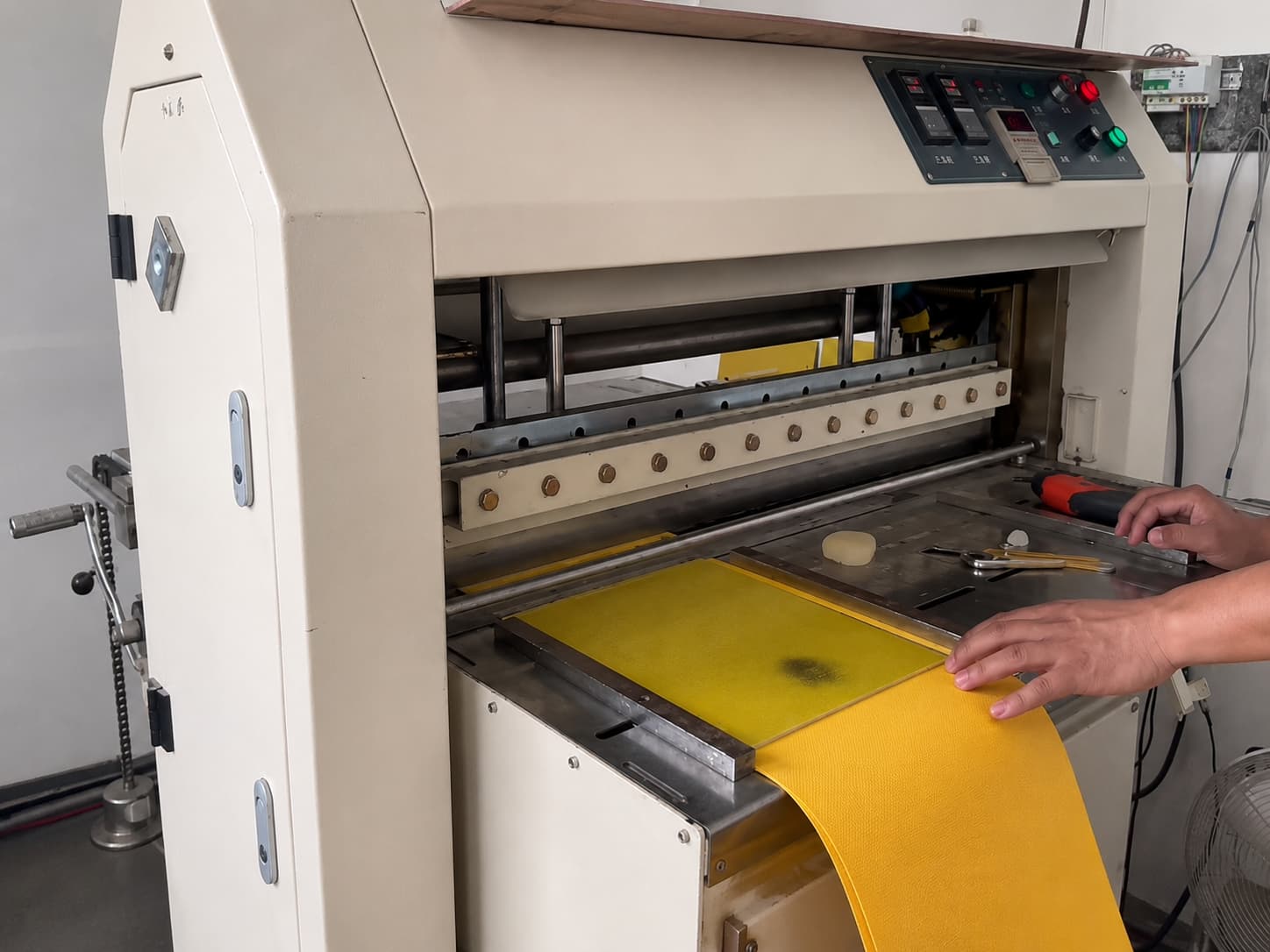
During production, the filter media is fed into the pleating machine, formed into regular pleats, and cut to the required length. This helps prepare the media pack for later mesh assembly, end cap bonding, and final filter element production.
Media Feeding
The filter media is fed into the pleating area according to the required material type, filter size, and production setup.
Pleat Forming
The machine forms the media into regular pleats, with pleat height and spacing adjusted according to the filter element structure.
Automatic Cutting
The pleated media can be automatically cut to the required length, reducing manual cutting steps before assembly.
Media Pack Preparation
The finished pleated media section is prepared for later assembly with inner mesh, outer mesh, end caps, or sealing structures.
Machine Capability
Machine Settings Used for Filter Media Forming
The pleating machine settings can be adjusted according to different filter media, pleat height requirements, and filter element sizes. These settings help us prepare pleated media packs for replacement filters, custom dimensions, and batch filter element production.
| Adjustable Pleat Height Range | 8–55 mm |
|---|---|
| Minimum Set Distance | 30 mm |
| Pleating Speed | Stepless adjustable, depending on material and pleat height |
| Temperature Range | Room temperature to 200°C |
| Main Power | 1.5 kW × 5 |
| Warm-up Power | 4 kW |
| Power Voltage | 380V / 50–60Hz |
Custom Filter Support
How Pleating Affects Custom Filter Production
Pleating is closely related to filter element size, filtration area, material selection, and final assembly. When developing a replacement or custom filter element, these details need to be checked before production.
Pleat Height Control
Pleat height affects filtration area, media pack thickness, and how the filter element fits inside the support structure.
Media Compatibility
Different filter paper, fibreglass media, and synthetic media may require different forming settings during pleating.
Filter Size Matching
Pleated media length and width should match the required filter height, diameter, and later assembly structure.
Preparation for Mesh Assembly
After pleating and cutting, the media pack is prepared for assembly with inner mesh, outer mesh, and end caps.
Related Process and Custom Filter Support
Pleating is only one step in industrial filter element production. You can also review the full production process, confirm custom filter dimensions, or check common filter element materials before starting a sample or batch order.
View the full process from media pleating and cutting to mesh rolling, welding, assembly, glue application, and end cap bonding.
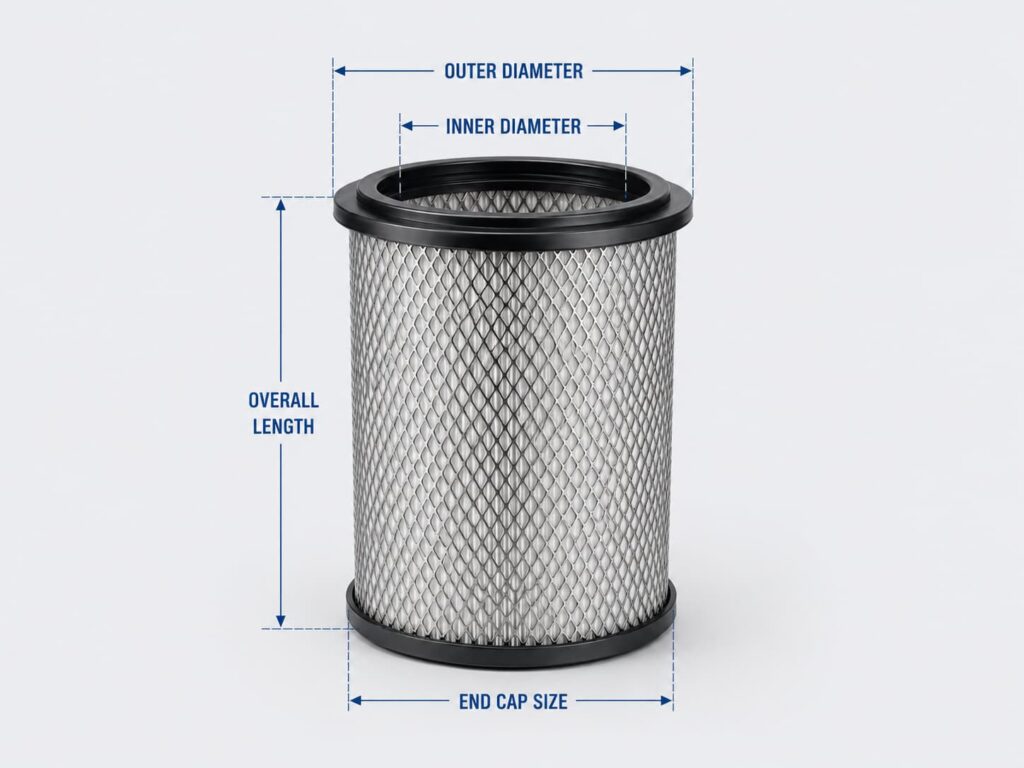
Check which dimensions should be confirmed before custom filter production, including height, outer diameter, inner diameter, sealing position, and end cap structure.
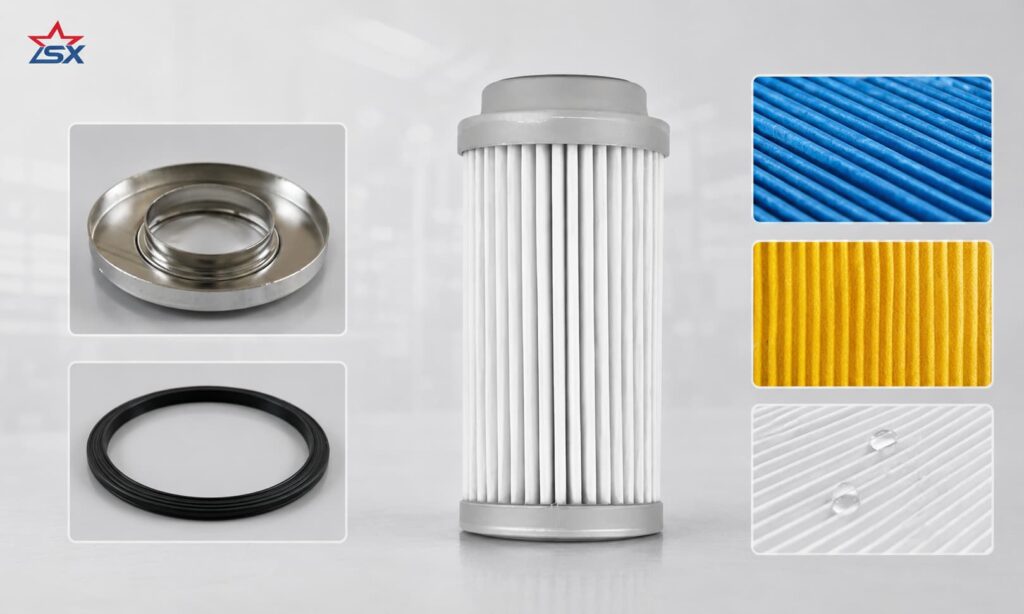
Review common filter media, metal mesh, end caps, and sealing materials used for different industrial filter element applications.